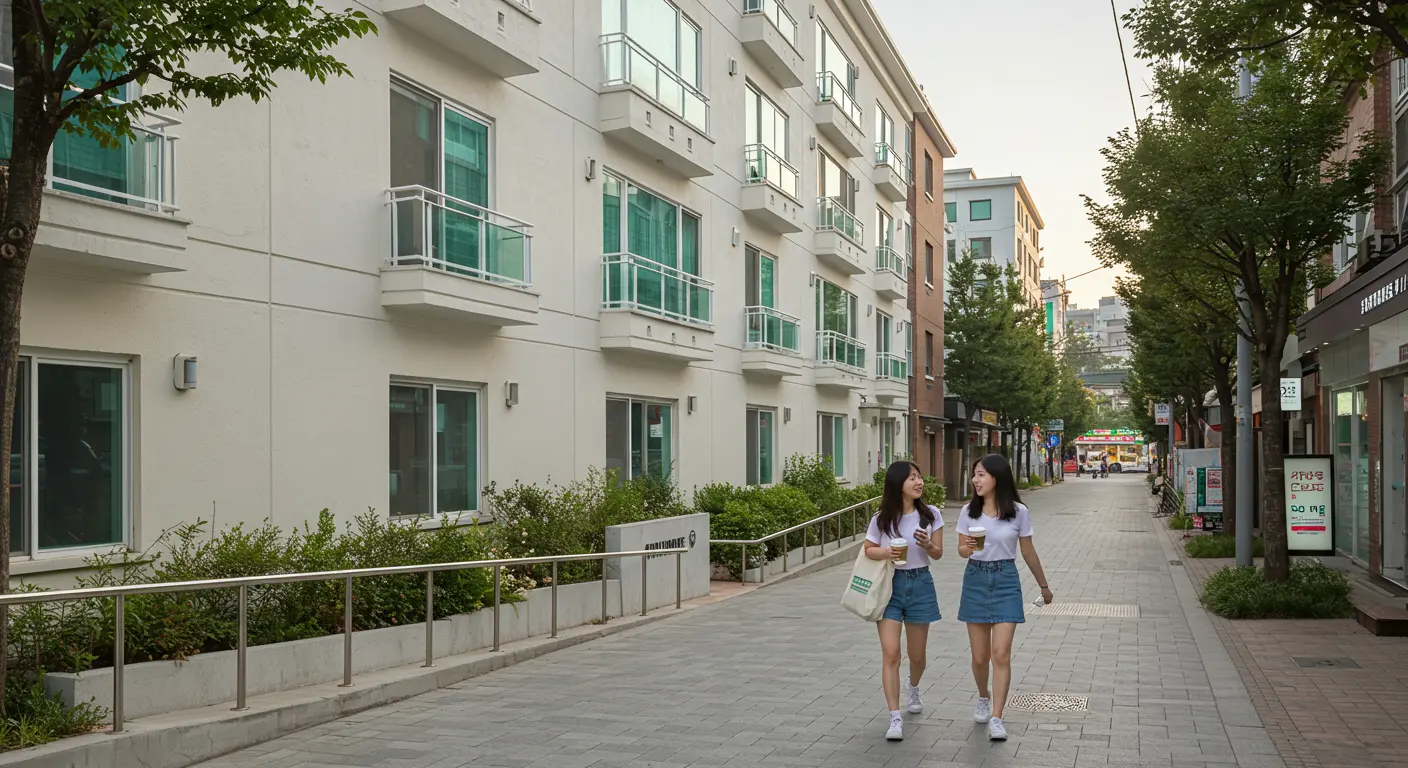
Bottom line: A hasukjib is a traditional Korean boarding house where you rent a private room and get two home-cooked meals a day. In 2026, a hasukjib in Seoul costs roughly ₩500,000–₩700,000 a month all-in, and because rent, utilities, and food are bundled into one number, it usually beats a studio on total cost.
1. What is a hasukjib?
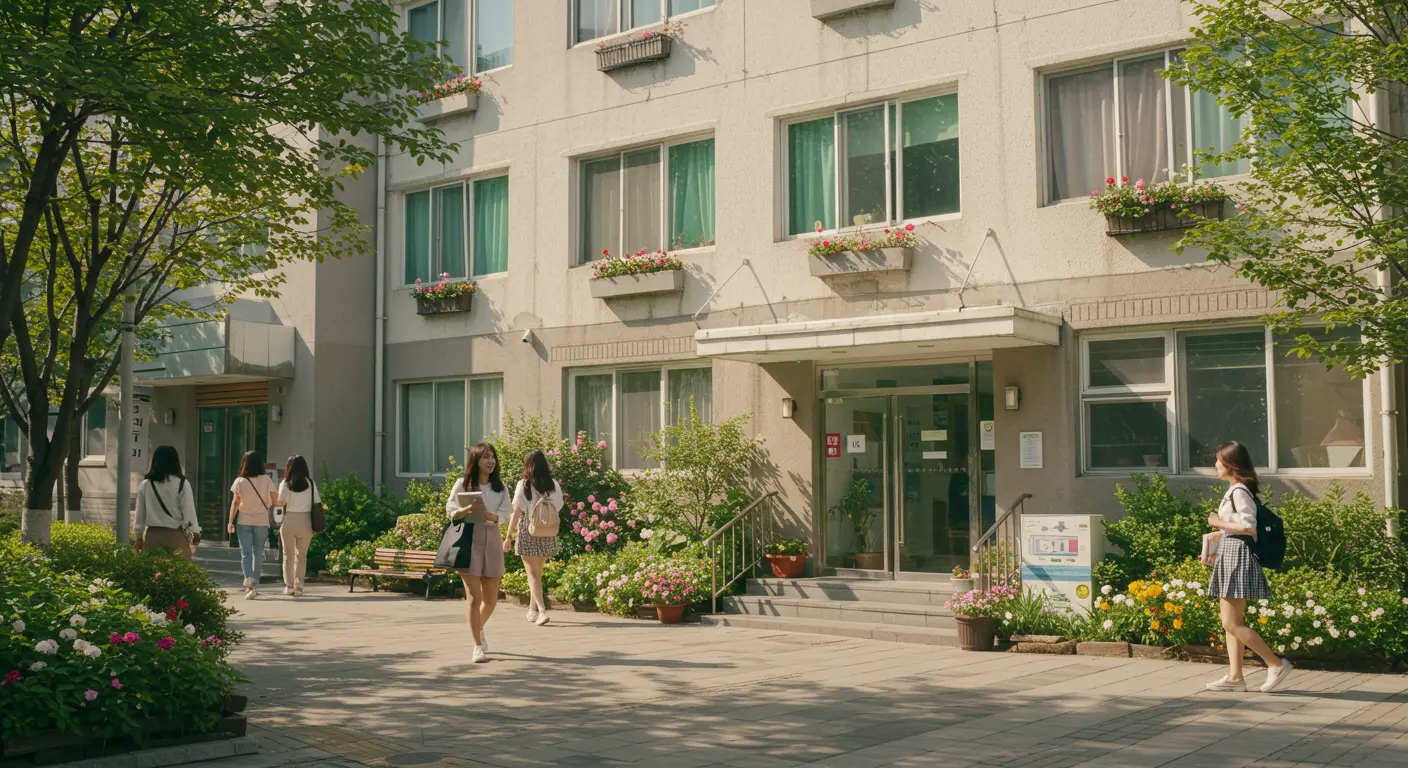
A hasukjib (하숙집, literally “lodging house”) is South Korea’s traditional student boarding house: a private room in a converted family home or small building, with shared bathrooms and laundry, run by a live-in landlady students call ajumma (아줌마) or simply eomeoni, “mother.” Think of it as the Korean answer to a British boarding house or an American rooming house — except the rent includes breakfast and dinner.
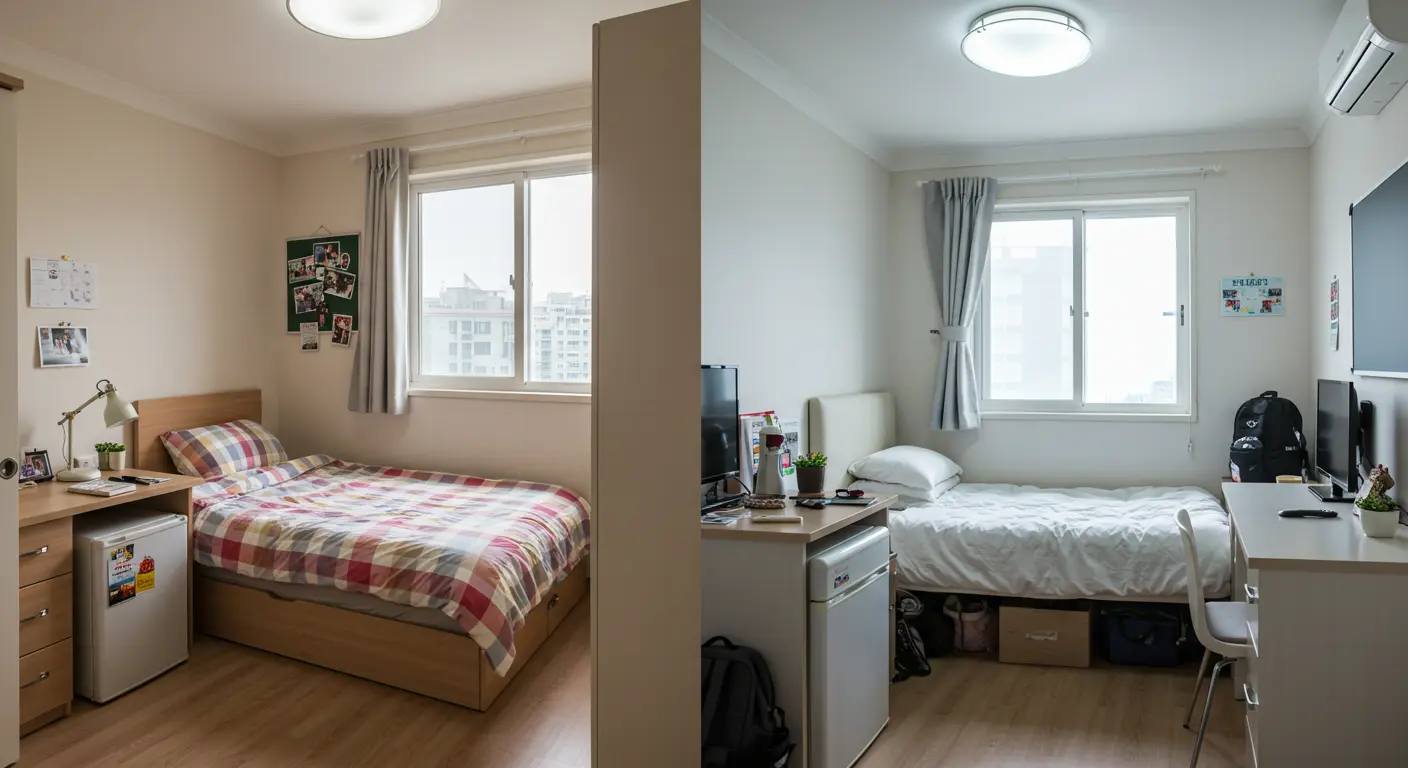
According to Wikipedia’s entry on hasukjib, rooms typically range from about 6.6 m² to 13.2 m² (roughly 70 to 140 square feet), and the format is closely associated with university neighborhoods. That is small by Western standards, but it buys you something a dorm rarely offers: a room of your own, plus somebody who notices whether you ate.
1. Private single room (about 6.6–13.2 m² / 70–140 sq ft)
2. Two meals a day included — breakfast and dinner
3. Shared bathrooms, showers, and laundry facilities
4. Furnished as standard: bed, desk, chair, mini-fridge, air conditioning
5. Little or no deposit — often just a one-month holding fee
Most buildings separate male and female residents by floor, and women-only hasukjib are common near universities such as Ewha Womans University and Sookmyung Women’s University. For international students, this is the cheapest realistic way to live alone in Seoul while still being fed twice a day.
2. Hasukjib vs. goshiwon vs. share house vs. dorm
The single most common mix-up among newcomers is confusing a hasukjib with a goshiwon (고시원). They are not the same thing, and the difference costs or saves you real money. Here is how Korea’s four main student housing types compare in 2026.
1. Hasukjib (boarding house): ₩500,000–₩700,000 a month including two meals. Larger rooms, a landlady who cooks, and a built-in social circle. Minimal deposit. Best for students who want food handled and don’t mind house rules.
2. Goshiwon (고시원): ₩350,000–₩500,000 in most Seoul university districts. Rooms are noticeably smaller — sometimes windowless — and the “meals” are usually just rice, kimchi, and instant ramen left in a communal kitchen. Seoul National University’s official housing guide lists goshiwon at ₩200,000–₩600,000 depending on district and quality. Best for the tightest budgets and total privacy.
3. Share house (셰어하우스): ₩450,000–₩700,000 plus a deposit of ₩500,000–₩2,000,000. Private bedroom, shared kitchen and living room, no meals, no landlady. Self-managed by residents. Best for students who want independence and a modern building.
4. University dormitory: Usually the cheapest option, but the hardest to get. Seoul National University’s Gwanak Residence Halls house roughly 5,700 students across 21 buildings, and demand routinely exceeds supply. Best if you win the lottery — literally, in many cases.
The deeper difference is cultural. A hasukjib is where you encounter jeong (정) — the untranslatable Korean bond that builds between people who eat together every day. A goshiwon is engineered for the opposite: silence, anonymity, and doors that stay shut.
3. What a hasukjib actually costs in 2026
Seoul’s student rental market has gotten meaningfully more expensive over the past year, which is exactly why the hasukjib math has changed. Property platform Dabang’s July 2026 analysis of one-room studios near ten major Seoul universities found an average monthly rent of ₩625,000 — up 7.7% from ₩581,000 a year earlier — on a ₩10,000,000 deposit. Average maintenance fees rose 10.9% to ₩84,000.
Add those together and a Seoul studio now runs about ₩709,000 a month (roughly US$505) before you have bought a single meal.
1. Monthly hasukjib rate: ₩500,000 for a basic room, ₩700,000 for a renovated one with a private bathroom — meals, utilities, and Wi-Fi included
2. Deposit: Typically none, or a holding fee of ₩200,000–₩300,000. Compare that with the ₩10,000,000 deposit a standard studio requires
3. Food savings: Two meals a day at ₩7,000 each would cost about ₩420,000 a month if you bought them. That is the hidden value of a hasukjib
4. By neighborhood: Sinchon, Ewha, and Anam command the highest rates; Gwanak, Dongjak, and Seoul’s outer districts run ₩50,000–₩100,000 cheaper
5. Extras: Some houses add ₩20,000–₩50,000 in summer and winter for air conditioning and heating. Confirm this before signing
The gap between universities is dramatic. Dabang’s July 2026 figures put studios near Ewha Womans University at ₩767,000 rent plus ₩103,000 in fees — ₩870,000 a month, the priciest in the city. Studios near Seoul National University jumped 26% year-on-year to ₩533,000, while Chung-Ang University’s district stayed cheapest at ₩522,000. In every one of these neighborhoods, a hasukjib with meals included lands at or below the studio rate.
For Western readers, some perspective: Zillow put the typical monthly US rent at US$1,951 in May 2026, with the New York metro at $3,503 and Los Angeles at $2,909. A Seoul hasukjib at ₩600,000 is about US$430 — with dinner.
4. Why boarding houses are back in 2026
For two decades the hasukjib looked like a dying format. Modern studios replaced them, the pandemic closed many permanently, and privacy-minded students drifted toward goshiwon and share houses. Then the arithmetic flipped.
Two forces are driving the revival. The first is cost: as The Korea Herald reported, boarding houses require no large deposit and undercut studios on monthly rent while throwing in home cooking — a combination that pulled even privacy-conscious students back. Owners near Sookmyung and Chung-Ang described being fully booked mid-semester, with waiting lists rolling into the next term.
The second force is sheer demand. Korea’s international student population has exploded. The country passed 300,000 international students for the first time in 2025, hitting the government’s “Study Korea 300K” target two years ahead of schedule. Korea Immigration Service data put the figure at 314,397 as of February 2026 — 238,905 in higher education and 75,033 in Korean-language programs, with Vietnam (115,131) and China (78,529) the largest groups.
That is more than 300,000 people who all need somewhere to sleep, concentrated in the same handful of university neighborhoods, competing for dormitory beds that have not expanded nearly as fast. The practical consequence for you: rooms near popular campuses are gone earlier than they used to be. For the September 2026 semester, the best hasukjib rooms in Sinchon and Anam were being reserved in July.
There is a countertrend worth knowing. Many owners are converting to share houses because they no longer want to cook twice a day. If meals are the reason you want a hasukjib, confirm in writing that meals are actually served — some listings still say “hasukjib” out of habit.
5. How to find a hasukjib (2026 method)
This is the section that has changed most since last year. The old advice — walk the alleys and look for handwritten signs — still works, but it is no longer your only option, and it is no longer the best one if your Korean is limited.
1. Booking platforms with English support: Momstay is a Korean boarding-house and homestay platform built specifically for foreign residents, with multilingual listings and translation support for contacting hosts. Goshipages covers goshiwon, guesthouses, and share houses across Seoul with an English interface. Between them, you can now book a hasukjib before you land
2. Your university’s international office: Most schools maintain an off-campus housing list. Seoul National University’s International Summer Program accommodation page publishes current price ranges for boarding houses, goshiwon, and studios — useful as a sanity check on any quote you receive
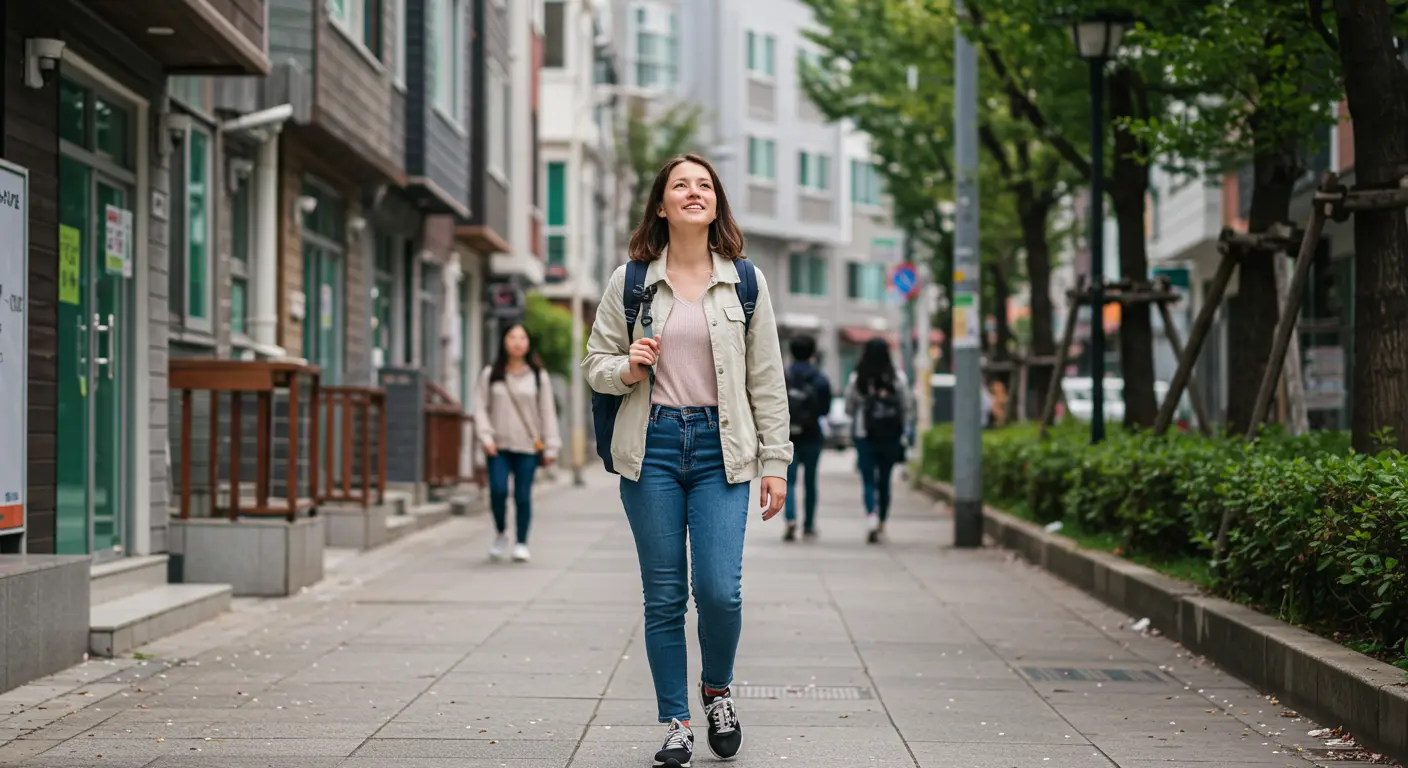
3. Walking the neighborhood: Still effective, especially for the cheapest rooms that never get listed online. Look for 하숙 signs in the residential alleys behind campus. Go between 10 a.m. and 6 p.m., weekdays
4. Timing: Start six to eight weeks before the semester. Two weeks out, in 2026, is too late for the good rooms
5. What to bring: Your passport, cash or a Korean bank transfer app for the holding fee, and a translation app. Many landladies are in their sixties and will not speak English
One tactic that consistently works: ask a Korean classmate or your department office to make the first phone call. A five-minute call in Korean opens doors that an email in English will not.
6. What to check before you move in
Hasukjib agreements are famously informal — usually verbal, usually settled with a month’s rent and a handwritten receipt. That informality is convenient right up until something goes wrong. Run this checklist during your viewing, before any money changes hands.
1. Get it in writing anyway: Ask for a simple written note stating the monthly rate, what is included, the move-in date, and notice period. Photograph the receipt. A landlady who refuses is telling you something
2. Confirm the meal schedule: Which days, what times, and whether weekends are included. Many houses now serve dinner buffet-style over a 90-minute window rather than at a fixed sit-down time
3. Ask what utilities are excluded: Air conditioning and heating surcharges are the most common surprise
4. Check the bathroom ratio: Ask how many residents share each bathroom. Four to one is comfortable; eight to one at 8 a.m. is not
5. Clarify the notice period: One month is standard. Confirm whether your holding fee is refundable if you leave early
6. Verify the address for your ARC: You will need a valid residential address to register for your Alien Registration Card. Ask the landlady to confirm the exact address as registered, and whether she can provide a residence confirmation letter if immigration requests one
Because there is no deposit at risk, the financial downside of a bad hasukjib is small — you lose a month and move. But the ARC point is genuinely important, and it is the one thing students most often forget to ask about.
7. Practical advice for international students
Living well in a hasukjib is less about language than about reading the room. The house runs on unspoken rhythms, and residents who learn them quickly tend to be treated like family within a month.
1. Learn the meal vocabulary first: “밥 먹었어요?” (Did you eat?) is a greeting, not a question. “잘 먹었습니다” (thank you for the meal) after dinner will earn you more goodwill than any other phrase you learn this year
2. Respect quiet hours: After 10 p.m., walls are thin and everyone knows who came home late
3. Talk to the ajumma: She is your best Korean tutor, your emergency contact, and the person who decides whether there is extra food. Fifteen minutes of conversation a day will improve your Korean faster than a textbook
4. Ask before bringing guests: Overnight visitors are generally not allowed. Ask first, every time
5. Be honest about food: If you are vegetarian, halal, or have allergies, say so at the viewing. Korean home cooking leans heavily on pork, fish sauce, and shellfish, and a hasukjib cannot easily accommodate individual diets. If the standard menu will not work for you, a share house with a kitchen is the better choice
6. Keep emergency contacts handy: Your university’s international office, one Korean-speaking friend, and the 1345 Immigration Contact Center, which offers multilingual support
The single biggest predictor of a good experience is straightforward: students who eat dinner in the house rather than skipping it end up with friends, better Korean, and a landlady who looks out for them.
More guides for settling in:
1. Korean Public Transportation Guide 2026: Subway, Bus & T-money — how to get from your hasukjib to campus for the least money
2. A Complete Guide to Daily Life as an Expat in Seoul — the everyday customs nobody explains to you
3. TOPIK Test Preparation: The Complete Strategy Guide — essential if you plan to enroll in a Korean degree program
8. Frequently asked questions (FAQ)
Q1. Is it hard for foreigners to get accepted into a hasukjib?
A1. Less than it used to be. Houses near Sinchon, Hongdae, Anam, and Hoegi routinely take international students, and platforms like Momstay exist specifically to bridge the language gap. Some traditional houses still prefer Korean speakers, so having a Korean friend make the first call helps considerably.
Q2. Do I sign a formal contract?
A2. Usually not. Most agreements are verbal, sealed by paying the first month in advance and receiving a handwritten receipt. Ask for a simple written confirmation of the rate, inclusions, and notice period anyway — reputable landladies will not object.
Q3. What if I don’t like Korean food?
A3. Then a hasukjib is probably the wrong choice. Meals are standard Korean home cooking — rice, soup, kimchi, and several banchan — served the same way to everyone, and individual dietary requests are rarely practical. Seoul National University’s housing guidance lists share houses and studios as the alternatives when meals do not suit you.
Q4. Can I stay short-term, for three to six months?
A4. Yes, and this has become easier. One semester is now a common arrangement, though landladies still prefer longer stays and may quote a slightly higher monthly rate for under six months. Agree the end date up front and give one month’s notice before leaving.
Q5. What is the difference between a hasukjib and a share house?
A5. Meals and management. A hasukjib has a resident landlady who cooks and maintains the house; a share house is self-managed by residents with a shared kitchen and no meals. Share houses charge a deposit, boarding houses generally do not. Many hasukjib have converted to share houses in recent years, so confirm meals are actually included before you commit.
Q6. Can I use a hasukjib address for my Alien Registration Card?
A6. Generally yes, but confirm with the landlady before moving in. You will need the exact registered address, and immigration may ask for a residence confirmation. Sorting this out at the viewing avoids a stressful trip to the immigration office later.
9. Related reading
Official and platform resources
1. Seoul National University Housing — official dormitory information for Korea’s largest campus residence system
2. SNU Accommodation Guide — official off-campus price ranges for boarding houses, goshiwon, and studios
3. Momstay — boarding house and homestay booking platform with multilingual support for foreign residents
4. Goshipages — English-language search for goshiwon, share houses, and guesthouses across Korea
Settling into life in Korea
1. Small Apartment Newtro Interior 2026: Storage & Decor Guide — for when you graduate from a boarding house to your own studio
2. A Guide to the Korean Recommerce Market — how students furnish a room in Korea without paying retail