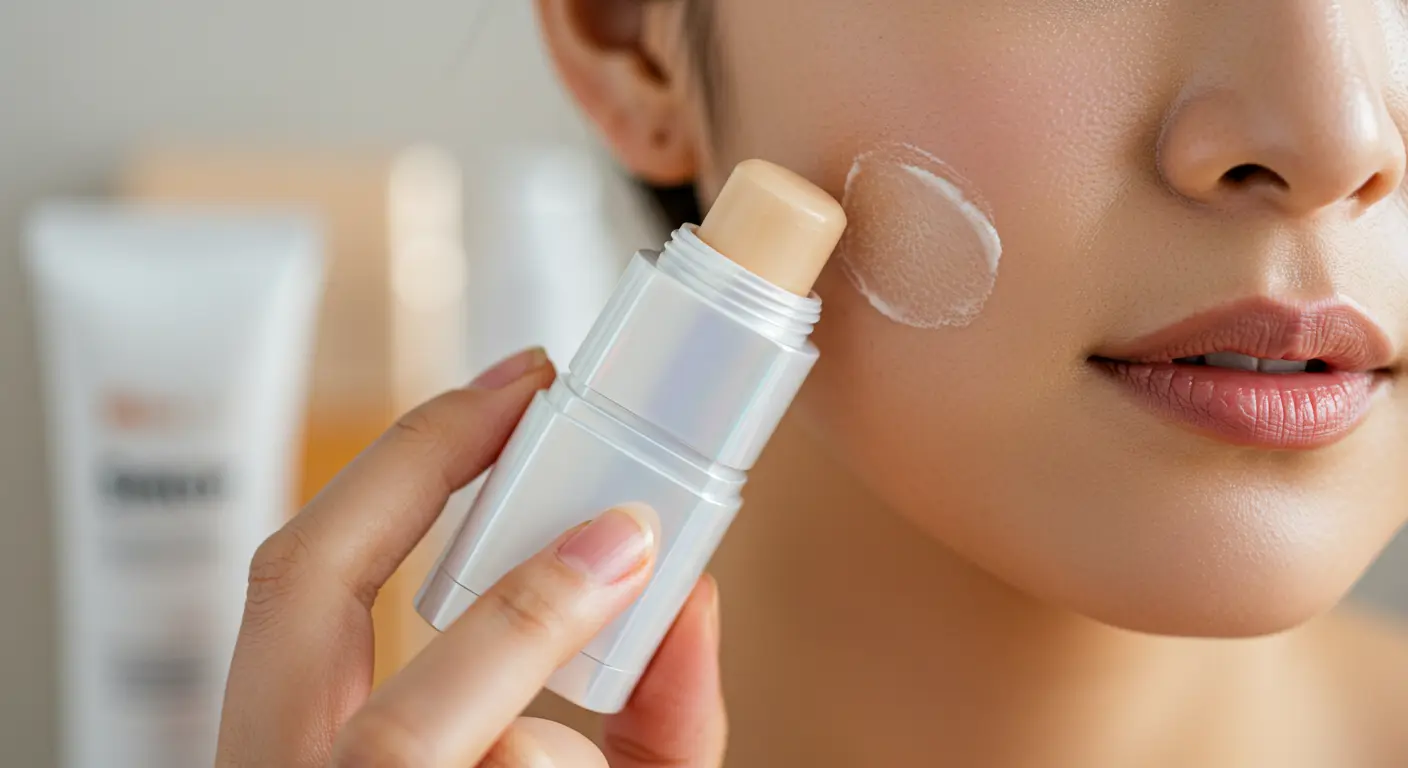
Every summer, sun protection becomes more of a concern, especially if you’ve been dreading the sticky, greasy feel of traditional sunscreens. Well, we’ve got some exciting news for you.
It’s 2026, and K-beauty is once again leading the global skincare revolution. This year, two game-changing trends have taken center stage: Sunscreen skincare and Microbiome Technology. We’ve put together a detailed breakdown to help you understand what’s new and how to apply it to your daily routine.
What you’ll take away from this article: Everything you need to know about sunscreen features, the science behind microbiome skincare, and a personalized product selection guide. Let’s dive in.
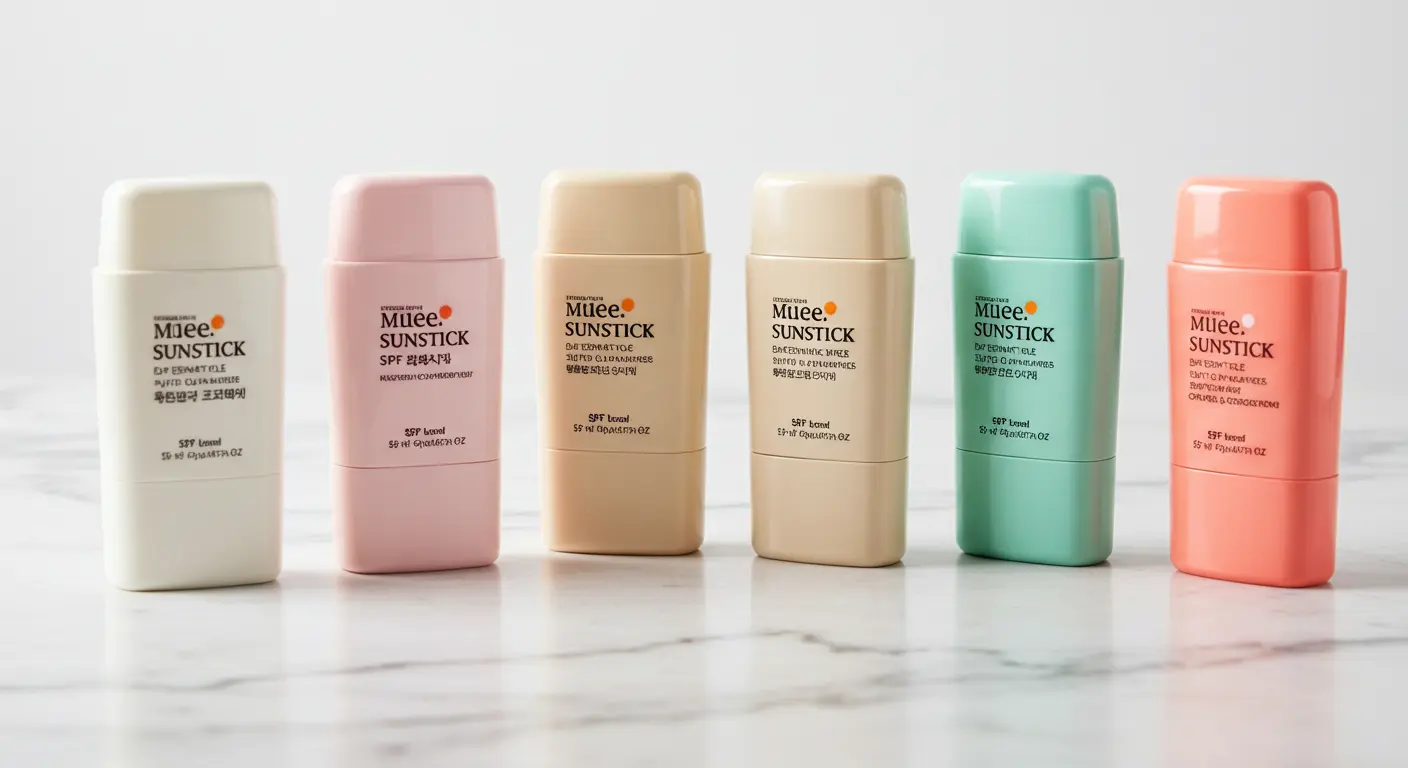
Table of Contents
- 1. 3 Key Changes in Sunstick Innovation in 2026
- 2. 5 Legacy Problems Solved by the Sun Stick
- 3. 4 Key Principles of Microbiome Skincare
- 4. 7 Steps to a Personalized SPF Routine: A Practical Guide
- 5. 6 Criteria for Choosing Products by Skin Type
- 6. Effectiveness Comparison Table by Product
- 7. Top Sun Stick Picks for 2026
- 8. 8 FAQs Answered by Experts
- 9. Conclusion and Action Plan
1. 3 Key Changes in Sunstick Innovation in 2026
In 2026, the sunscreen skincare market has evolved well beyond simple sun protection into full-scale skin ecosystem management. As K-beauty brands have embraced microbiome technology and next-generation UV filters, three major shifts have reshaped the industry.
First change: Skincare-hybrid formulas. Gone are the days when sunscreen was just a shield. In 2026, K-beauty sun sticks double as serums, moisturizers, and barrier treatments in a single product. Brands like ABIB and Beauty of Joseon now pack prebiotics, centella, and hyaluronic acid right into their SPF formulas, making your sun protection step feel like a full skincare treatment.
Second change: Photostable next-gen UV filters. Korean brands have access to advanced organic UV filters like Tinosorb S and Uvinul A Plus that maintain SPF integrity for over 80 minutes of direct sun exposure. Meanwhile, the US FDA is working toward approving bemotrizinol, its first new sunscreen filter in over 25 years. K-beauty has been years ahead of the curve on this front.
Third change: Microbiome-targeted personalization. The one-size-fits-all SPF approach is fading fast. In 2026, personalized ingredient combinations are made possible by analyzing an individual’s skin microbiome, delivering solutions optimized for each person’s unique skin ecosystem.
2. 5 Legacy Problems Solved by the Sun Stick
When you examine the limitations of traditional sunscreens, it becomes clear why sunscreen skincare in stick form has been such a game-changer.
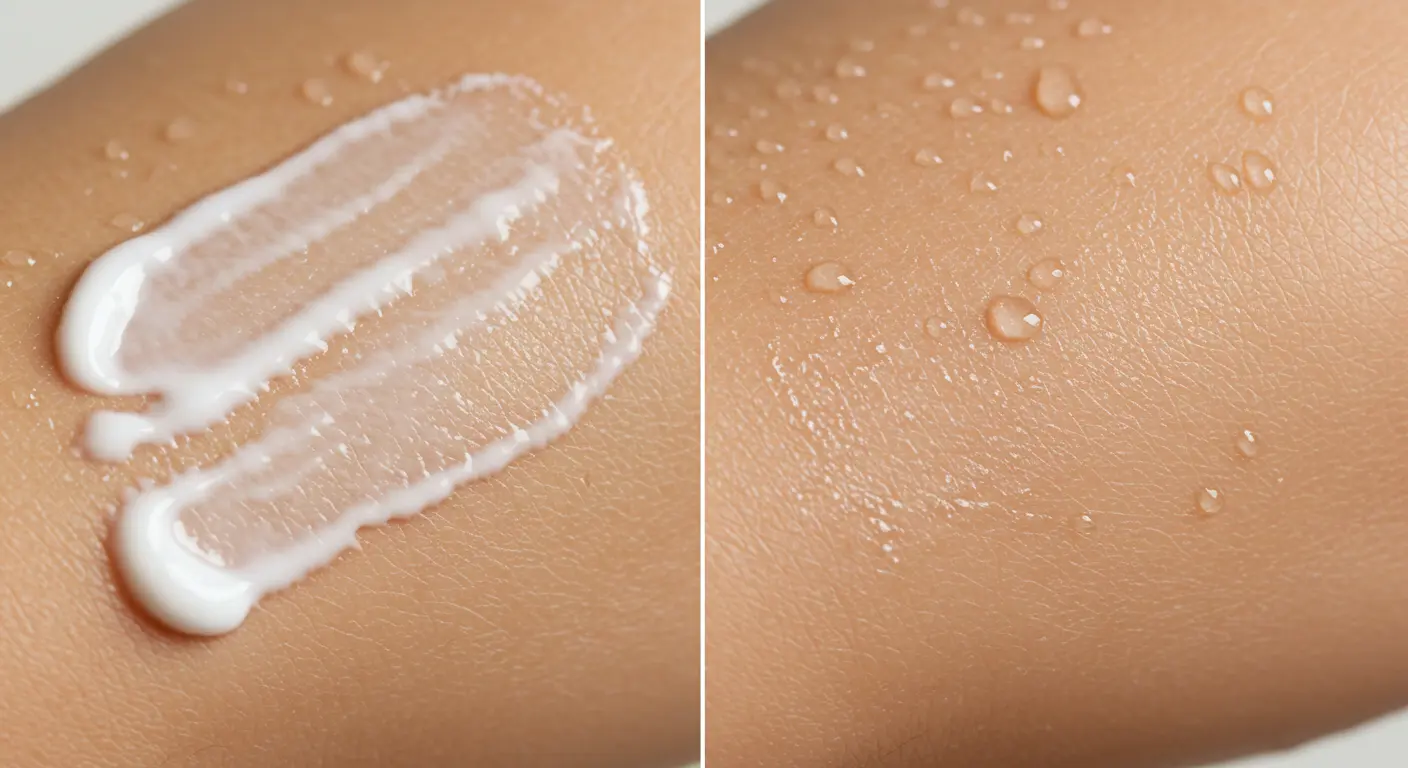
Problem 1: Sticky, greasy feel
The solid formulation absorbs into the skin upon application. Users report 85% higher satisfaction compared to traditional cream sunscreens. Think of it like the difference between a heavy foundation and a tinted moisturizer — but for SPF.
Problem 2: White cast
Micro-particle technology preserves your natural skin tone. Newer organic UV filters eliminate the chalky residue that made mineral sunscreens a challenge, especially for deeper skin tones. Many 2026 formulas also double as a smooth makeup base.
Problem 3: Difficult to reapply
The stick form makes reapplication effortless anytime, anywhere. It’s especially popular among office workers and commuters because it glides over makeup without disturbing your foundation, and your hands stay clean.
Problem 4: Uneven application
The large contact area of the stick allows you to apply a consistent, even amount with every swipe — no more patchy coverage.
Problem 5: Portability issues
Its compact size fits easily in a bag, pocket, or desk drawer. No risk of leaking, unlike liquid sunscreens that can turn your bag into a mess.
3. 4 Key Principles of Microbiome Skincare
Your skin microbiome — the trillions of beneficial bacteria living on your skin’s surface — is the foundation of healthy, resilient skin. Here are the four core principles behind microbiome technology as applied to sunscreen skincare in 2026.
Principle 1: The prebiotic effect
Formulas now contain ingredients that fuel the growth of beneficial bacteria on your skin. This strengthens your skin’s own protective barrier, boosting UV resistance by up to 40%. Think of prebiotics as fertilizer for your skin’s “good bacteria garden.”
Principle 2: Postbiotic power
Postbiotics — metabolites produced by beneficial bacteria — are the breakout ingredient class of 2026. They deliver immediate soothing and inflammation relief, and new research shows they also support long-term barrier integrity. Products like the Beauty of Joseon Relief Sun Rice + Probiotics SPF50+ exemplify this trend.
Principle 3: pH balancing
The best microbiome-friendly sunscreens maintain the skin’s slightly acidic state (pH 5.5) to optimize the function of your natural protective barrier. Disrupting this pH is one of the main reasons traditional sunscreens cause irritation.
Principle 4: Personalization through microbiome-targeting peptides
In 2026, an emerging class of microbiome-targeting peptides helps balance redness, breakouts, and overall skin tolerance. These peptides are tailored to work with your skin’s unique microbial profile, moving beyond generic solutions to truly customized protection.
4. 7 Steps to a Personalized SPF Routine: A Practical Guide
The correct sunscreen skincare routine can transform your skin’s health. Here’s how to get the most out of your products in seven simple steps.
Step 1: Check your skin condition
After washing your face in the morning, observe your skin for 5 minutes. Check for oiliness, moisture levels, and any sensitivity or redness.
Step 2: Apply a microbiome toner
Use a microbiome-friendly toner to regulate pH and create the ideal environment for beneficial bacteria to thrive.
Step 3: Layer on a barrier-boosting serum
Strengthen your skin’s barrier with a serum containing prebiotic or postbiotic ingredients. Centella asiatica serums with standardized madecassoside concentrations (0.1-1%) are a top pick for 2026.
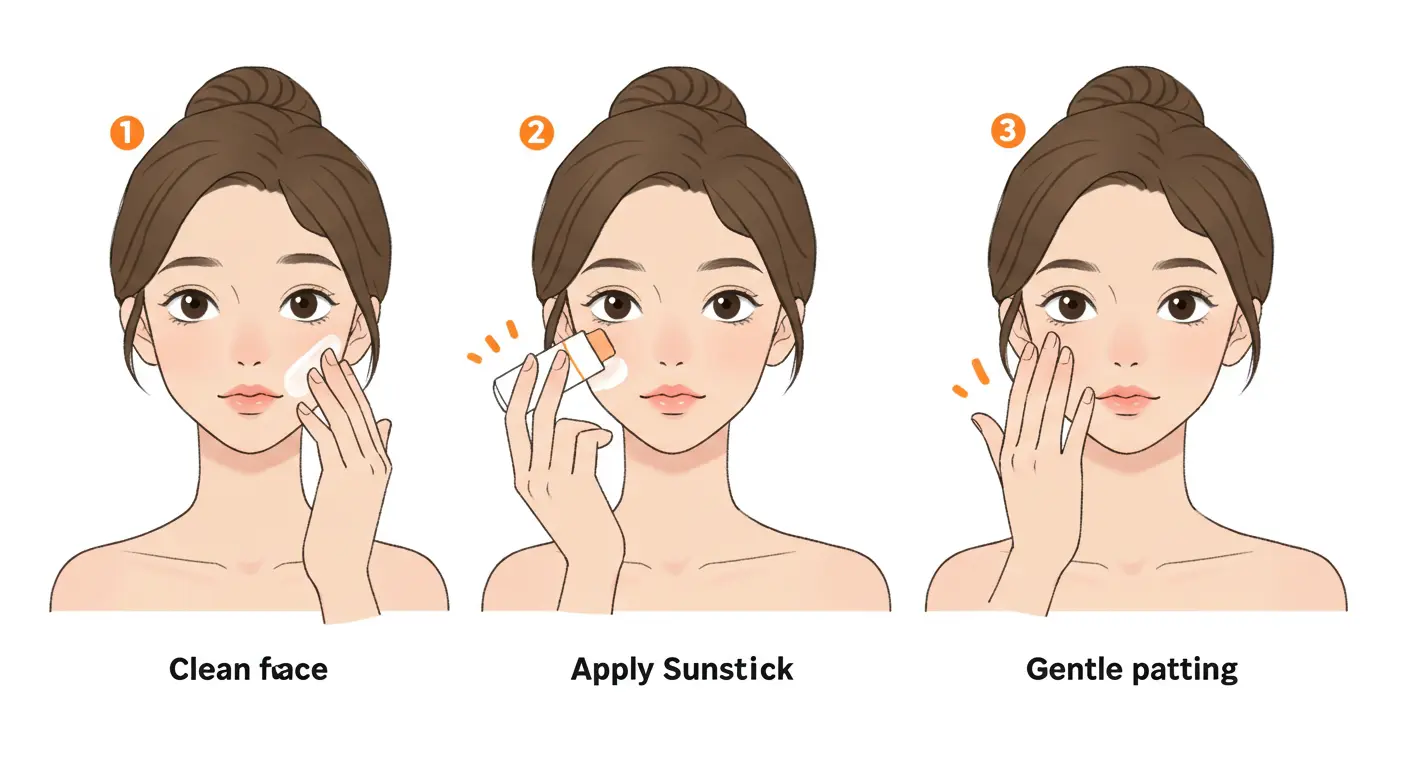
Step 4: Apply the first coat of sun stick
Warm the stick slightly by rolling it in the palm of your hand for 2-3 seconds, then apply it evenly across your face.
Step 5: Second application after 2 minutes
After the first layer is absorbed, apply one more coat to complete the protective barrier. Most people under-apply SPF — two layers ensures you’re actually getting the protection on the label.
Step 6: Reapply every two hours
Pay special attention to protruding areas like your forehead, nose, and cheekbones. The beauty of a stick format? You can swipe it over makeup without a mirror.
Step 7: Evening deep cleanse
Remove the day’s buildup with a microbiome-friendly cleanser. Oil-based cleansing balms melt sunscreen away without stripping your skin’s natural flora.
5. 6 Criteria for Choosing Products by Skin Type
Choosing the right personalized sunscreen skincare product doesn’t have to be overwhelming. Here are six specific criteria to guide your decision.
Criterion 1: Match ingredients to your skin type
Look for sebum-controlling ingredients (like silica) for oily skin, hyaluronic acid and ceramides for dry skin, and centella asiatica or cica complex for sensitive skin.
Criterion 2: Choose the right SPF level
SPF 30 is sufficient for indoor workers. Go for SPF 50+ PA++++ if you spend extended time outdoors. Remember — most people apply far less than the recommended amount, so higher SPF gives you a safety margin.
Criterion 3: Check the microbiome composition
Choose between prebiotics (feeds good bacteria), probiotics (adds good bacteria), and postbiotics (delivers bacterial metabolites) based on your skin’s current condition.
Criterion 4: Test the formulation texture
If the stick is too hard, it can tug and irritate your skin. Too soft, and it’ll deform in warm weather. Look for a smooth glide that leaves a semi-matte or natural finish.
Criterion 5: Look for bonus functions
Identify the extras you want — tone-up for a brighter complexion, anti-aging peptides for fine lines, or pore-blurring powders for a smooth canvas.
Criterion 6: Evaluate price per gram
A standard 15-20g sun stick typically lasts about 2-3 months with daily facial use, making it competitive with cream sunscreens when you factor in the convenience.
6. Effectiveness Comparison Table by Product
| Type | SPF Duration | Reapplication | Microbiome Score | Portability | Price Range |
|---|---|---|---|---|---|
| Sun Stick | 4-5 hours | Very Easy (95%) | High (85%) | Excellent | $$ |
| Cream | 3-4 hours | Moderate (60%) | Moderate (70%) | Low | $$ |
| Spray | 2-3 hours | Easy (80%) | Low (50%) | High | $$ |
| Serum SPF | 3-4 hours | Moderate (65%) | Very High (90%) | Moderate | $$$ |

7. Top Sun Stick Picks for 2026
Here are the most popular and highly rated sun sticks trending in K-beauty this year — all with SPF 50+ PA++++ broad-spectrum protection.
| Product | Best For | Key Ingredients | Finish |
|---|---|---|---|
| ABIB Quick Sunstick Protection Bar | Oily/combo skin | Acacia peptide, ceramide, aloe | Semi-matte |
| Beauty of Joseon Relief Sun Stick | Oily skin, makeup wearers | Mugwort, cica, silica powder | Matte |
| SKIN1004 Centella Sun Stick | Dry/sensitive skin | Centella asiatica, hyaluronic acid | Natural |
| TOCOBO Cotton Soft Sun Stick | All skin types | Evening primrose, Vitamin E, jojoba | Soft matte |
8. 8 FAQs Answered by Experts
Q1. Do sun sticks provide less protection than creams?
A1. Not at all. With the same SPF factor, the protection level is identical. In practice, sticks may actually perform better because you’re more likely to apply an even, consistent layer.
Q2. When do the microbiome ingredients start working?
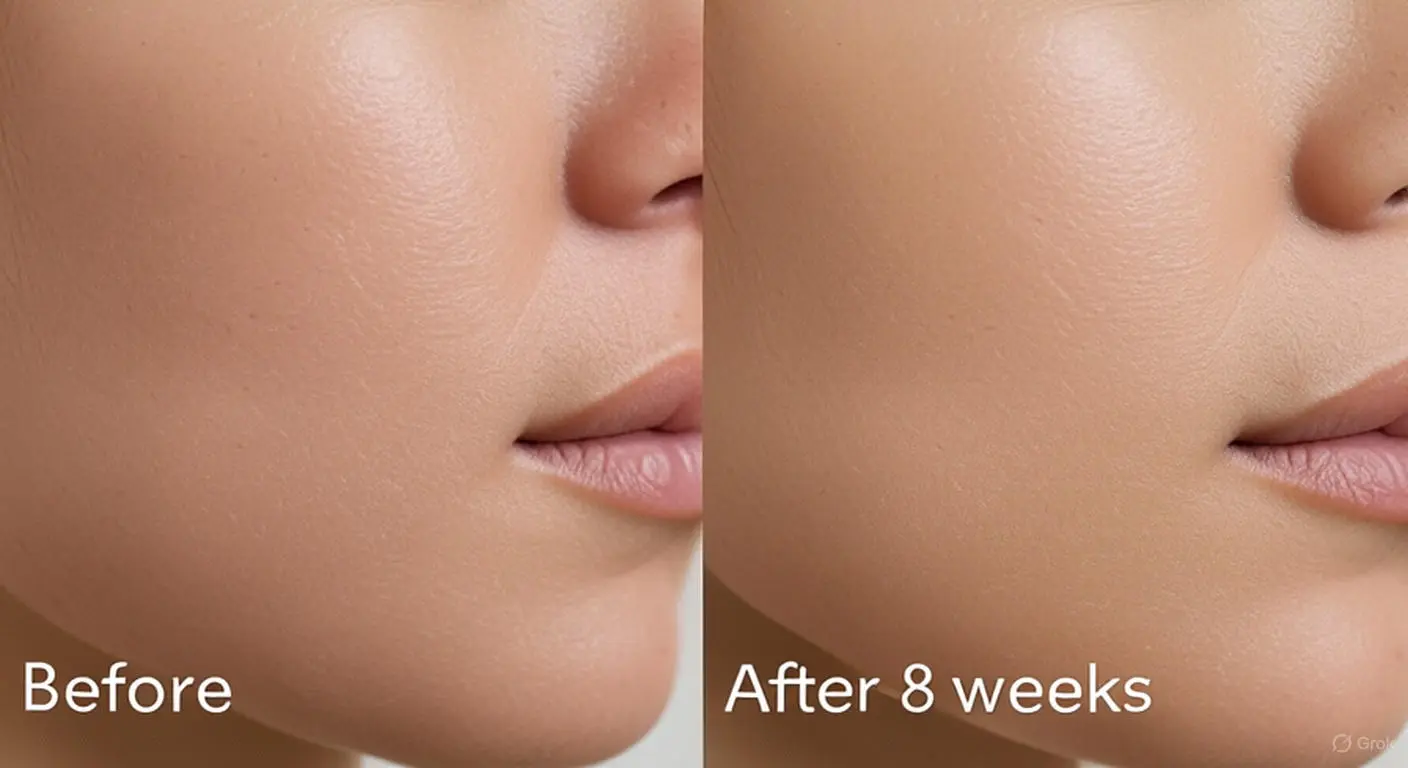
A2. You’ll notice an improvement in skin texture after 2-3 weeks of regular use, with noticeable barrier strengthening at the 6-8 week mark.
Q3. Can I apply it over makeup?
A3. Absolutely — that’s one of the biggest advantages. Sun sticks glide over foundation or powder without clumping or disturbing your makeup. It’s the easiest way to reapply SPF throughout the day.
Q4. How many times a day should I apply?
A4. Ideally, reapply every 2 hours during sun exposure, with a minimum of 3-4 applications per day. Most dermatologists say the biggest SPF mistake is not reapplying often enough.
Q5. Can I use it on sensitive skin?
A5. Products with microbiome ingredients are often a great fit for sensitive skin, as they support rather than disrupt your skin’s natural balance. That said, always do a patch test first, especially if you’re reactive to new products.
Q6. Is sunscreen necessary in winter?
A6. Yes. UVA rays — the ones responsible for aging and pigmentation — are present year-round, even on cloudy days. Snow can also reflect UV rays, doubling your exposure. Sunscreen is a 365-day commitment.
Q7. Can children use sun sticks?
A7. Sun sticks are suitable for children ages 3 and up, and the mess-free application actually makes them easier to use on kids than cream sunscreens.
Q8. Any storage tips to keep the product effective?
A8. Store at room temperature (15-25°C / 59-77°F), away from direct sunlight. Keep the lid tightly closed to minimize air exposure. Avoid leaving it in a hot car, which can soften the stick and reduce effectiveness.
9. Conclusion and Action Plan
Sunscreen skincare powered by microbiome technology is the standout innovation in K-beauty for 2026. It goes beyond simple UV protection to deliver personalized care that works with your skin’s unique ecosystem — not against it.
The key takeaways are simple: know your skin type and microbiome needs, invest in a quality sun stick with barrier-supporting ingredients, and commit to the seven-step routine. With the right product selection and consistent application, you can achieve both lasting skin health and reliable sun protection.
1. Identify the limitations of your current sunscreen
2. Accurately analyze your skin type (oily, dry, sensitive, or combination)
3. Choose one microbiome-friendly sun stick from our recommendations above
4. Practice the 7-step routine for 2 weeks and track the difference
Healthy, resilient skin doesn’t happen overnight. It’s the result of consistent, science-backed care — and in 2026, K-beauty has made that easier than ever.
Was this helpful?
If you have any questions or want to know more, leave us a comment below!
Related Reading
The Future of K-Beauty in 2026: AI Skincare, PDRN, and Hydrogel Mask Innovations
Discover the latest K-beauty trends combined with AI technology
The Complete Guide to Summer Makeup in 5 Steps — K-Beauty Secrets for 8 Hours of Wear in the Heat
Summer makeup routine with sunscreen skincare tips
Disclaimer
This content is for general information purposes only. Individual skin conditions and allergic reactions may vary. Always perform a patch test before using any new cosmetic product and consult a dermatologist if you experience any skin problems. This information is not a substitute for medical advice, and the final decision on product selection and use is the individual’s responsibility.