Struggling to stay cool and hydrated this summer? Instead of reaching for sugary sodas or blasting the AC all day, why not take a page from Korea’s centuries-old wellness playbook? Korean summer herbal tea offers a delicious, all-natural way to beat the heat while keeping your body in balance. In 2026, these traditional Korean summer herbal tea recipes are more relevant than ever as the global wellness community embraces functional beverages and adaptogenic ingredients.
In this guide, we’ll introduce you to 5 traditional Korean summer herbal teas that are easy to make at home with simple cold brew recipes. You’ll learn the unique benefits of each Korean summer herbal tea and discover why millions of Koreans have relied on these time-tested drinks to get through the hottest months of the year.
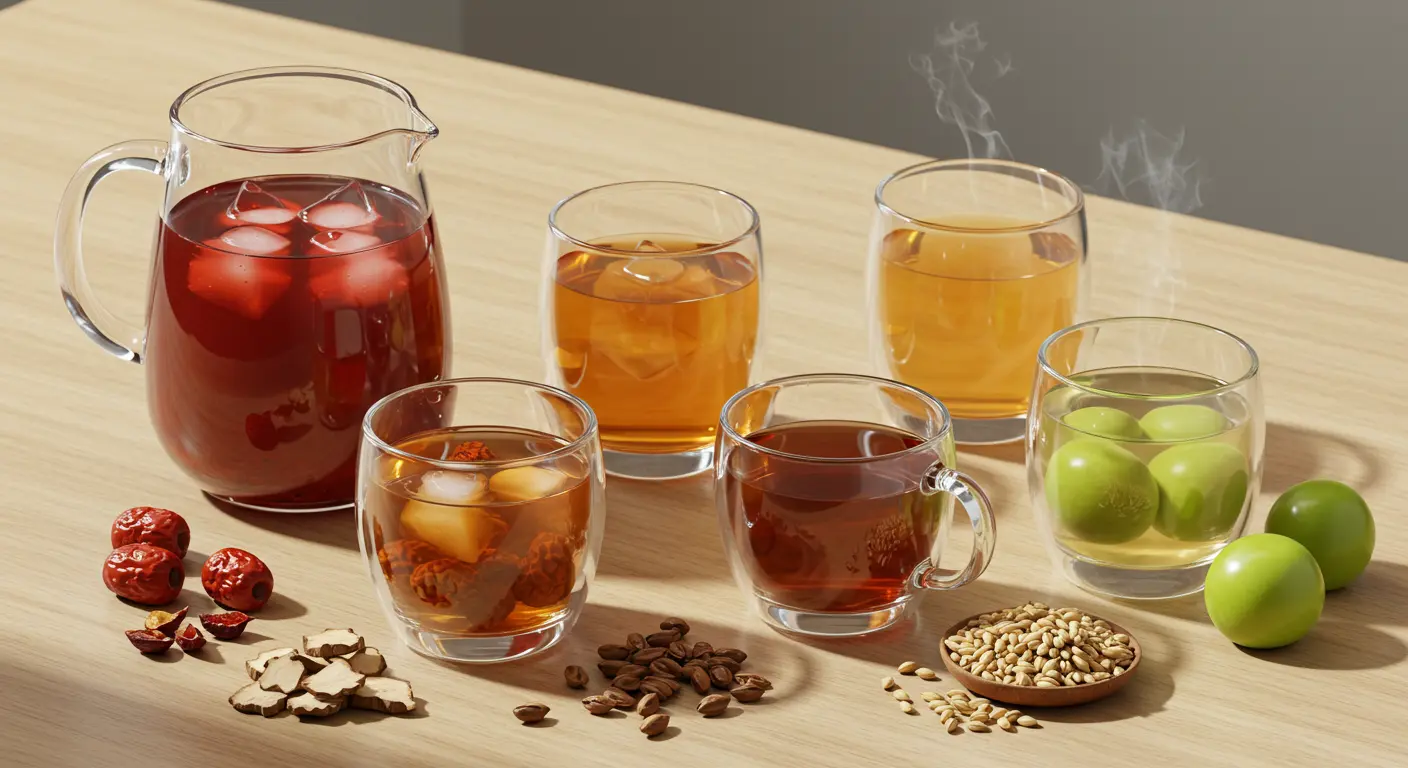
5 Traditional Korean Summer Herbal Teas to Beat the Heat
Table of Contents
- 1. Omija Tea — The Five-Flavor Thirst Quencher
- 2. Gyeolmyeongja Tea — Cooling Relief for Tired Eyes
- 3. Ssanghwa Tea — The Energy-Boosting Summer Tonic
- 4. Bori Cha — Korea’s Everyday Hydration Staple
- 5. Maesil Tea — The Tangy Digestive Refresher
- 6. Why Korean Summer Herbal Tea Is Trending in 2026
- 7. Brewing Tips and Storage Guide
- 8. Frequently Asked Questions
1. Omija Tea — The Five-Flavor Thirst Quencher
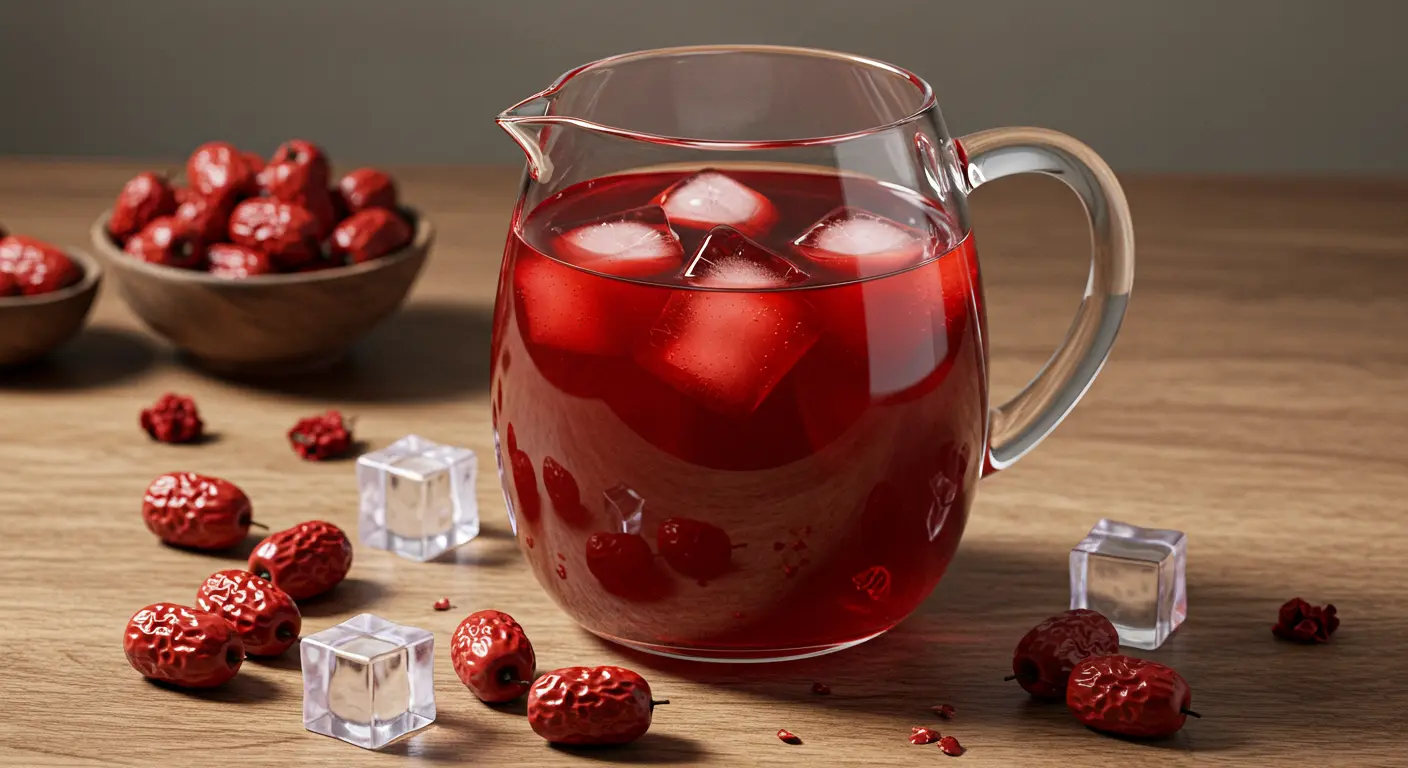
Omija cha — Korea’s vibrant five-flavor berry tea
Omija cha is widely considered the king of Korean summer herbal tea drinks. Made from the dried berries of the Schisandra chinensis plant, omija literally means “five flavors” — sweet, sour, salty, bitter, and pungent — all in a single fruit. This stunning ruby-red tea is a powerhouse for quenching thirst and fighting summer fatigue, and its natural electrolyte-balancing properties make it a far healthier choice than commercial sports drinks.
Key Benefits
- Natural thirst quencher: Helps regulate your body’s water balance with natural electrolytes
- Fatigue recovery: Rich in anthocyanins and lignans that help restore energy
- Liver support: Contains schizandrin, traditionally used to support liver health
- Antioxidant-rich: Packed with free radical-fighting compounds
Cold Brew Omija Tea Recipe
- Add 50 g of dried omija berries to 1 L of cold water
- Steep in the refrigerator for 4–6 hours (or overnight for deeper flavor)
- Strain through a fine mesh sieve to remove the berries
- Sweeten to taste with honey or a natural sweetener
- Serve over ice and enjoy the beautiful ruby color
Pro tip: Always cold brew omija tea — hot water draws out too much bitterness and astringency. The cold steep method produces a smoother, more balanced flavor.
2. Gyeolmyeongja Tea — Cooling Relief for Tired Eyes
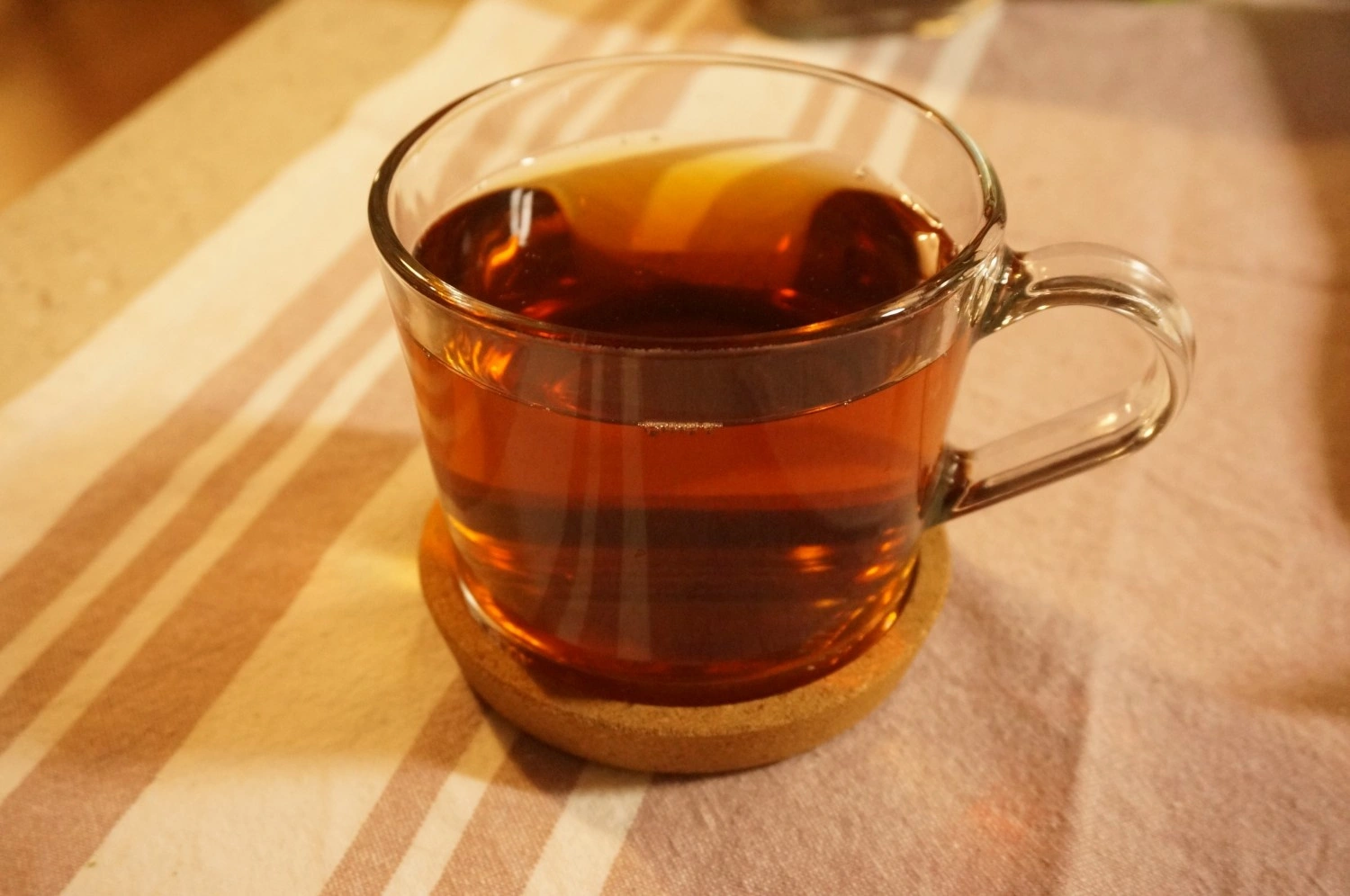
Gyeolmyeongja cha — the screen-fatigued eyes’ best friend
Gyeolmyeongja cha, also known as cassia seed tea, is one of the most beloved Korean summer herbal teas for anyone who spends long hours staring at screens. In an era where the average person clocks 7+ hours of daily screen time, this traditional brew has never been more relevant. The roasted cassia seeds (Cassia tora) are known in Korean herbal medicine for their cooling properties, helping to lower the body’s internal heat while soothing tired, strained eyes.
Key Benefits
- Eye health support: Contains vitamin A precursors and anthocyanins that may help protect vision
- Cooling effect: Traditionally used to help reduce internal body heat during summer
- Digestive support: Rich in fiber and mucilage that can promote gut regularity
- Blood pressure balance: Contains rutin, which supports vascular health
Roasted Cassia Seed Cold Tea Recipe
- Dry-roast 30 g of cassia seeds in a pan over medium heat until fragrant (about 3–5 minutes)
- Bring 1 L of water to a boil and add the roasted seeds
- Simmer for 10 minutes, then remove from heat
- Strain through a fine sieve and let it cool completely
- Refrigerate and serve cold throughout the day
Important: Pregnant women should avoid this tea. For everyone else, enjoy in moderation — 2 to 3 cups per day is ideal.
3. Ssanghwa Tea — The Energy-Boosting Summer Tonic
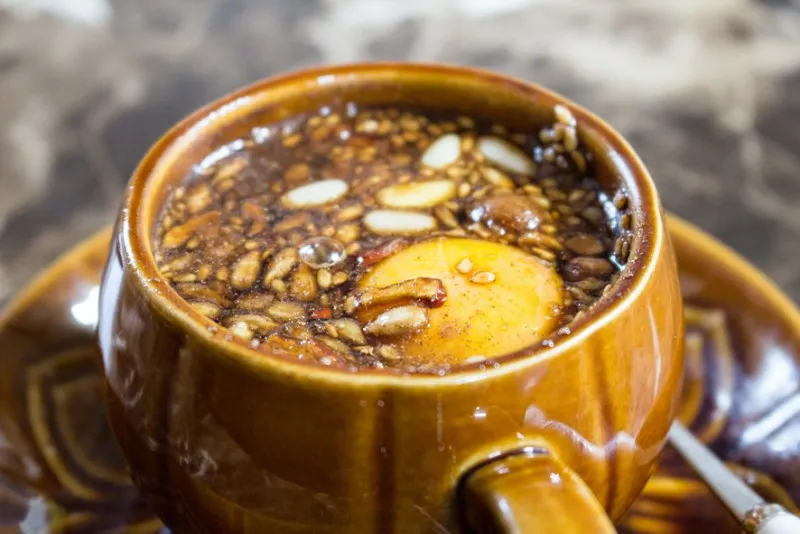
Ssanghwa cha — a traditional Korean herbal tonic, reimagined for summer
Most people know ssanghwa cha as a cozy winter warmer, but here’s a secret that Koreans have known for generations — it’s equally effective as an iced summer drink. If you spend your days moving between scorching outdoor heat and frigid air-conditioned offices, ssanghwa cha can help your body adapt to those temperature swings. Think of it as nature’s adaptogen — a concept that’s taken the global wellness world by storm in 2026, but one that Korean herbal medicine (한방, hanbang) has practiced for centuries.
Key Benefits
- Energy restoration: A blend of ginseng, dang gui (당귀), and other herbs that help replenish vitality
- Immune system support: Traditional herbal combination designed to strengthen resistance
- Temperature regulation: Helps your body adjust between hot outdoor air and cold AC environments
- Digestive comfort: Gently supports stomach function during summer
Iced Ssanghwa Tea Recipe for Summer
- Brew 1 commercially available ssanghwa tea packet in 500 mL of hot water
- Let it steep until the flavors are fully extracted (about 5 minutes)
- Add honey or sugar to taste while still warm
- Allow to cool completely, then pour over ice
- Optional: add a slice of lemon for a bright, citrusy twist
Pro tip: If the brew is too thick or strong, it may feel heavy on the stomach. Dilute with extra water to find your preferred strength.
🌿 Related Reading
Your Guide to Immune-Boosting Korean Herbs and Traditional TeasDive deeper into the world of Korean herbal medicine and discover more herbal tea varieties that support your immune system.
4. Bori Cha — Korea’s Everyday Hydration Staple

Bori cha — Korea’s go-to everyday hydration drink
If there’s one Korean summer herbal tea that every household drinks daily, it’s bori cha. Walk into any Korean home during the summer and you’ll find a large pitcher of this golden, nutty-flavored tea chilling in the fridge. Roasted barley (Hordeum vulgare) has a natural cooling effect on the body and acts as a mild diuretic, making it excellent for reducing summer bloating and puffiness. Best of all, it’s completely caffeine-free — so you can sip it from morning to night without worrying about sleep disruption.
Key Benefits
- All-day hydration: A caffeine-free way to stay hydrated throughout the day
- Natural diuretic: Helps reduce water retention and flush out toxins
- Digestive support: The fiber in roasted barley promotes healthy gut function
- Cooling properties: Helps regulate body temperature naturally on hot days
Homemade Bori Cha Recipe
- Dry-roast 100 g of barley in a pan until it turns a deep golden brown and smells nutty (about 10 minutes)
- Bring 2 L of water to a boil, then add the roasted barley
- Simmer for 15–20 minutes until the water turns a rich amber color
- Strain to remove the barley grains
- Let it cool, then store in the fridge and drink freely throughout the day
Great news for night owls: Since bori cha is completely caffeine-free, drinking it in the evening won’t keep you up at night.
5. Maesil Tea — The Tangy Digestive Refresher

Maesil cha — a tangy, refreshing Korean plum drink
Maesil cha is the ultimate summer appetite booster and digestive aid among traditional Korean summer herbal teas. Made from Korean green plums (Prunus mume), this tea has a wonderfully tart, tangy flavor that stimulates your salivary glands — making it one of the most effective natural thirst quenchers you’ll ever try. It’s rich in citric acid, which plays a key role in energy metabolism, and its natural antimicrobial properties make it a smart choice for food safety during the hot, humid Korean summer.
Key Benefits
- Digestive aid: Stimulates gastric acid secretion to help break down food more efficiently
- Powerful thirst quencher: The sour taste activates salivary glands for instant relief
- Fatigue fighter: Citric acid helps boost energy metabolism when you’re feeling drained
- Natural antibacterial: Contains compounds that help protect gut health in summer heat
Maesil-ade (Korean Plum-ade) Recipe
- Dilute 2–3 tablespoons of maesil cheong (매실청, green plum syrup) in 300 mL of cold water
- Stir well and add plenty of ice
- For a fizzy twist, use sparkling water instead to make a maesil-ade
- Garnish with fresh mint leaves or a lemon slice for a café-worthy presentation
Storage tip: Maesil cheong (plum syrup) stores well in a cool, dark place and can last over a year — so one batch carries you through multiple summers.
6. Why Korean Summer Herbal Tea Is Trending in 2026
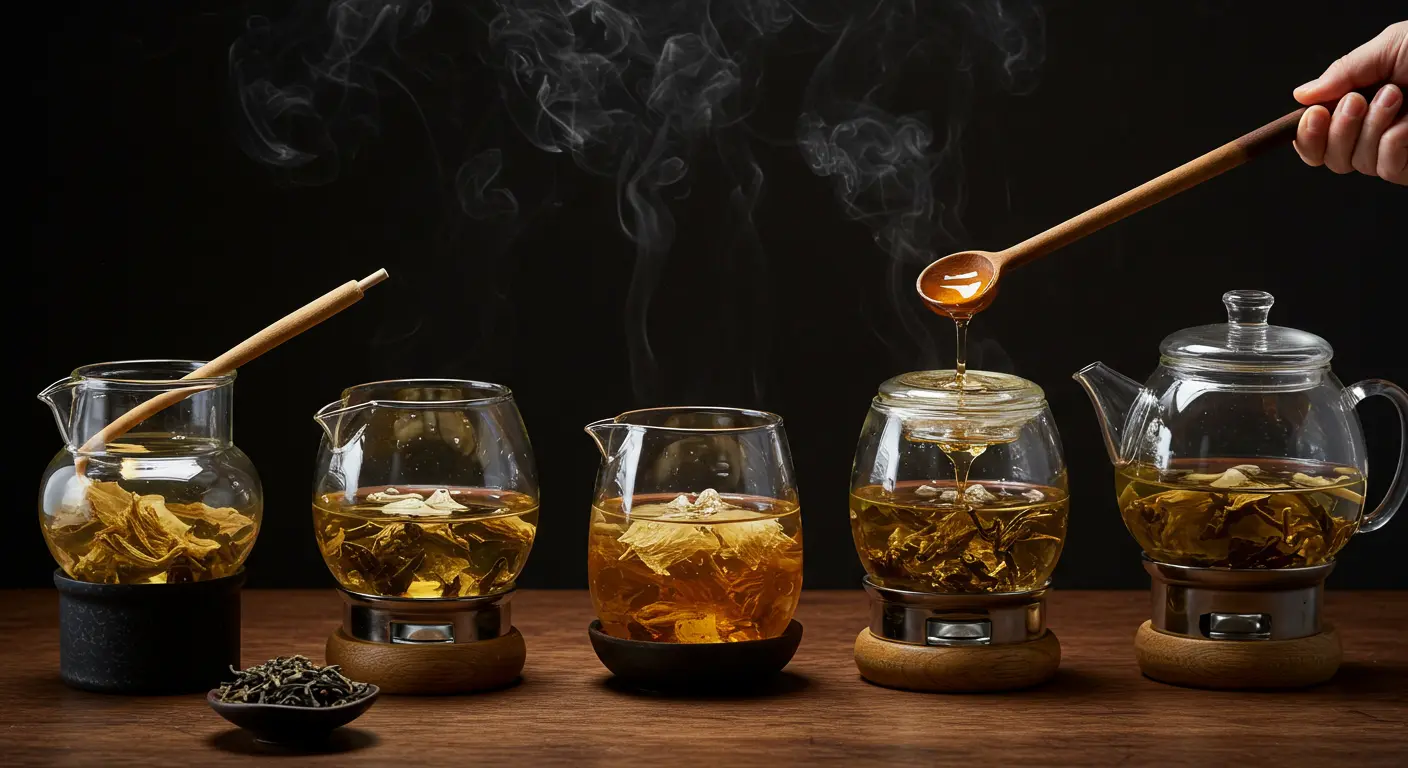
Korean summer herbal teas are riding the global functional beverage wave
Traditional Korean summer herbal tea isn’t just grandma’s remedy anymore — it’s at the forefront of one of the biggest global wellness trends of 2026. Here’s why the world is paying attention to Korean summer herbal tea culture.
The Functional Beverage Boom
The global herbal tea market reached an estimated $4.2 billion in 2026, and functional teas are growing faster than any other segment. Consumers worldwide are moving beyond basic hydration toward drinks that deliver targeted benefits — better digestion, stress relief, improved focus, and natural energy. Korean summer herbal tea, with its centuries of documented use and complex flavor profiles, is perfectly positioned in this space. According to the Korea Herald, interest in traditional Korean beverages has surged globally alongside the broader K-culture wave.
Adaptogens Go Mainstream
Adaptogens — natural ingredients that help the body resist stress — have become one of the hottest buzzwords in wellness. Ingredients like ginseng, ashwagandha, and reishi mushroom are everywhere from fancy juice bars to convenience store shelves. What many people don’t realize is that Korean herbal medicine has been using adaptogenic ingredients like ginseng, dang gui, and omija in traditional tea recipes for centuries. Ssanghwa cha is essentially an adaptogenic herbal tea blend that predates the modern wellness industry by hundreds of years.
The “Sober Curious” Connection
As more people — especially Gen Z — explore alcohol-free lifestyles, herbal tea has emerged as the ritual replacement of choice. The act of brewing and sipping a beautifully colored omija cha or a fizzy maesil-ade offers the same social and sensory satisfaction as a cocktail, minus the hangover. These Korean teas, with their vivid colors and complex flavors, are tailor-made for this cultural shift.
🏥 Experience Korean Wellness
Korean Acupuncture — A Foreigner’s Guide to Experiences and RecommendationsExplore traditional Korean acupuncture treatments that complement the herbal tea wellness experience.
7. Brewing Tips and Storage Guide
How to Get the Best Flavor
- Cold brewing is king: For most of these teas, steeping in cold water for several hours draws out smoother, less bitter flavors than hot brewing
- Adjust the strength: Start with the recommended amounts and tweak the ingredient-to-water ratio to match your personal taste
- Respect the steep time: Each tea has an optimal brewing duration — over-steeping can make the flavor harsh or overly medicinal
- Quality matters: Use fresh, clean ingredients from a trusted source for the best taste and potency
Storage and Serving Tips
- Refrigerate promptly: Brewed tea stays fresh in the fridge for 2–3 days, but it’s best consumed within 48 hours
- Moderate your intake: 2 to 3 cups per day is the sweet spot for most herbal teas
- Time it right: Enjoy your tea between meals or about 30 minutes after eating for the best digestive benefits
- Listen to your body: Everyone’s constitution is different, so pay attention to how each tea makes you feel and adjust accordingly
Quick Summary: Which Korean Summer Herbal Tea Is Right for You?
Each of these five Korean summer herbal teas brings something unique to the table. Omija cha is your go-to for beating thirst with its five-flavor complexity. Gyeolmyeongja cha is a lifesaver if you’re glued to screens all day. Ssanghwa cha helps your body bounce back from energy slumps and temperature swings. Bori cha is the reliable everyday sipper you can drink from sunrise to midnight. And maesil cha is the tangy pick-me-up that’ll wake up your appetite and settle your stomach.
These traditional brews offer a natural, delicious alternative to sugary commercial drinks — and they’ve been doing it for centuries. Pick the one that matches your needs, brew up a big batch, and experience firsthand why Korean herbal tea culture is capturing the world’s attention in 2026.
⚖️ Explore Further
Traditional vs. Modern Medicine in Korea — A Comprehensive Comparison GuideUnderstand the science behind traditional Korean herbal teas and how they compare with modern medical approaches.
Frequently Asked Questions About Korean Summer Herbal Tea
Can I drink Korean summer herbal tea every day?
Most Korean summer herbal teas are perfectly safe to enjoy daily in moderate amounts — about 2 to 3 cups per day. That said, everyone’s body is different, so it’s a good idea to start with a small amount and see how you feel. Teas like gyeolmyeongja cha and ssanghwa cha are more potent, so ease into them gradually rather than going all-in on day one.
Are Korean summer herbal teas safe for children?
Bori cha (barley tea) and maesil cha (plum tea) are generally considered safe for children of all ages. However, omija cha, gyeolmyeongja cha, and ssanghwa cha have stronger herbal profiles and are better suited for children over the age of 7 in diluted, milder concentrations. Always watch for any allergic reactions when introducing a new herbal tea.
Where can I buy Korean summer herbal tea ingredients?
In Korea, ingredients are widely available at traditional herbal medicine shops (한약방), large supermarkets like E-Mart and Homeplus, and online marketplaces like Coupang. Outside Korea, check your local Asian grocery store or shop online through Amazon, YesStyle, or specialty Korean food retailers. Barley and maesil syrup are the easiest to find internationally, while omija berries and cassia seeds may require a specialty shop.
Can I drink Korean summer herbal tea while on a diet?
Absolutely. Most of these herbal teas are extremely low in calories, making them an excellent beverage choice for weight management. Bori cha and gyeolmyeongja cha are virtually calorie-free. The diuretic properties of bori cha can also help reduce water retention and bloating. Just be mindful of how much honey or sugar you add to maesil cha or omija cha — stick to minimal sweetener or use a zero-calorie alternative if you’re watching your intake.
Is Korean summer herbal tea safe during pregnancy?
Bori cha and maesil cha are generally considered safe for pregnant and breastfeeding women. However, gyeolmyeongja cha should be avoided during pregnancy as it may stimulate uterine contractions. For omija cha and ssanghwa cha, it’s best to consult with your healthcare provider before drinking them during pregnancy. If you’re nursing, enjoy these teas in moderation and monitor for any changes in your baby’s behavior.
Final Thoughts
This summer, skip the artificially flavored energy drinks and sugar-loaded iced coffees. Instead, reach for these time-tested Korean summer herbal teas that have kept people cool, energized, and healthy for centuries. Each tea offers its own distinct flavor and benefits, so experiment to find the ones that suit your taste and lifestyle best.
The smartest way to stay healthy during the summer heat is to prioritize hydration, maintain a balanced routine, and let the wisdom of Korean herbal tradition work for you. Brew a batch of your favorite tonight, chill it in the fridge, and start tomorrow refreshed — the Korean way.