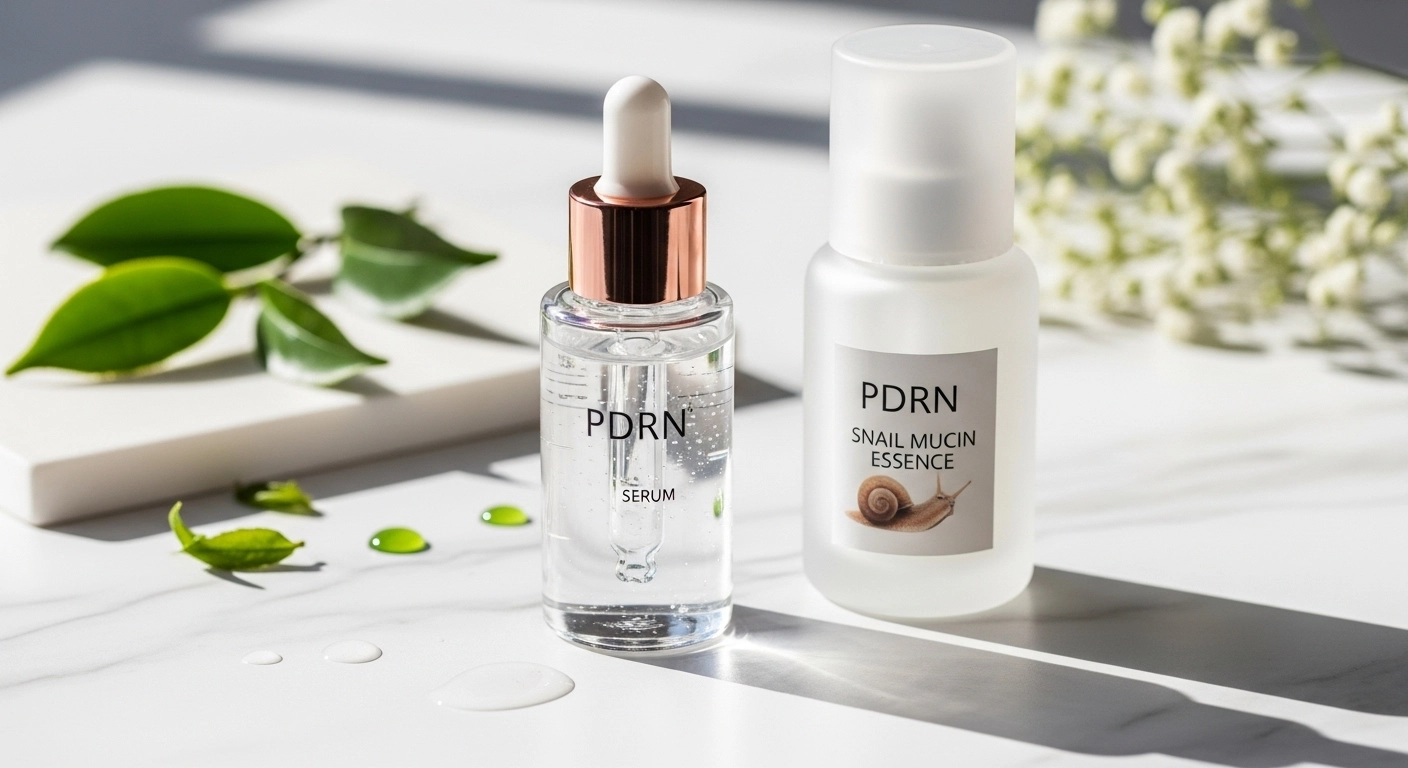
Summary: The 2026 K-beauty landscape has evolved beyond single-ingredient serums into a new era of bio-regenerative PDRN skincare and snail mucin hybrid formulations. With Korea now the world’s second-largest cosmetics exporter and the “bloom skin” trend replacing glass skin, PDRN and snail mucin remain the twin pillars of the global skincare routine revolution—now supercharged by exosome technology and synergistic blends.
1. Why 2026 K-Beauty Is Dominating Global Skincare
K-beauty in 2026 isn’t just a trend—it’s the global skincare standard. South Korea overtook the United States to become the world’s second-largest cosmetics exporter in 2025, with a record $11.4 billion in exports, trailing only France. The United States became Korea’s largest cosmetics export market at $2.2 billion, followed by China at $2 billion. Korean cosmetics now ship to 202 countries worldwide, up from 172 in 2024.
At the heart of this global dominance are two scientifically-backed powerhouse ingredients: PDRN skincare and snail mucin. PDRN, validated in regenerative medicine, has transitioned from clinical injectables to mainstream topical serums. Snail mucin, beloved for over a decade, is experiencing a massive commercial renaissance. Together, they define 2026’s core K-beauty philosophy: “bio-regeneration over surface-level glow.”
1. Korean cosmetics exports hit $11.4 billion in 2025—a 12.3% increase—with skincare alone accounting for $8.5 billion, or nearly 75% of total exports.
2. The PDRN skincare market is growing at over 21% annually, projected to reach $4.3 billion by 2033, as products transition from clinical to consumer formats.
3. The snail beauty products market surged to $6.2 billion in 2026, growing at a 31.8% compound annual rate, driven by demand for natural regenerative ingredients.
4. 2026 K-beauty has shifted from “glass skin” to “bloom skin”—a softer, healthier, dewy-from-within aesthetic that prioritizes genuine skin health over surface reflectivity.
2. What Makes PDRN Skincare the Star of 2026
PDRN (Polydeoxyribonucleotide) is a bioactive substance made of DNA fragments derived from salmon, originally developed as a medical ingredient to promote wound healing and tissue regeneration. What started as a cult-favorite clinic injectable—Korea’s famous Rejuran Healer treatment—has now crossed over into mainstream topical skincare. Vogue identified PDRN and exosomes as the dominant K-beauty trends for 2026, noting that these ingredients are rapidly transitioning from clinical to consumer formats.
PDRN promotes skin cell regeneration and increases collagen synthesis, helping improve wrinkles and enhance elasticity. It’s also effective for reducing inflammation and restoring the skin barrier, making it suitable even for sensitive or troubled skin. In 2026, PDRN has been embraced by major retailers globally—Boots in the UK launched its own PDRN serum, and SeoulCeuticals released the industry’s first PDRN + Vitamin C combination serum in February 2026, representing the broader trend toward synergistic ingredient blends.
Core Functions of PDRN
1. Promotes skin cell regeneration: PDRN activates fibroblasts via adenosine A2A receptor pathways to help generate new skin cells, effectively improving aging skin.
2. Increases collagen synthesis: Clinical studies show PDRN increases dermal density by 8.67% and skin brightness by 4.88% within 28 days, delivering visible wrinkle improvement and lifting effects.
3. Anti-inflammatory and calming effects: Suppresses inflammatory responses and strengthens the skin barrier, safe for sensitive and acne-prone skin.
4. Advanced barrier support: In topical formulations, PDRN functions as a high-performance hydration agent with exceptional water-binding properties, improving micro-texture and maintaining the skin’s protective outer layer.
PDRN’s Position in 2026 Trends
In the 2026 K-beauty market, PDRN has solidified its position as a gentle alternative to retinol. It delivers anti-aging effects without the irritation and dryness that often accompany retinol use—a critical advantage as consumers shift toward “skin recovery” and “resilience” over harsh exfoliative routines. The latest trend is “PDRN + NMN blends,” which pair cellular energy boosters (NMN) with DNA fragments (PDRN) for intensive repair, sometimes called “biotox” combinations.
The 2026 market has also seen the rise of vegan, lab-grown PDRN alternatives that replicate the bioactive properties of salmon-derived PDRN without animal sourcing. PDRN toner pads have emerged as a breakout product format, becoming one of the secret weapons behind the “high rise skin” trend—a 2026 aesthetic focused on lifted, firm skin architecture rather than just surface glow. PDRN is currently the fastest-growing skincare search term in the UK market, with monthly searches approaching 4,000.
3. Snail Mucin’s $6 Billion Comeback
Snail mucin (snail secretion filtrate) was the flagship ingredient that launched the K-beauty boom in the early 2010s. Once considered a “quirky ingredient” in Western markets, snail mucin is now a $6.2 billion global industry in 2026, growing at an explosive 31.8% compound annual rate. As Gen Z consumers demand “clean beauty” and “naturally-derived ingredients,” snail mucin has transformed from novelty to essential.
Snail mucin naturally contains hyaluronic acid, glycolic acid, allantoin, glycoproteins, and antimicrobial peptides. These components work synergistically for skin hydration, regeneration, calming, and anti-aging, making it one of the most versatile single ingredients in skincare. In 2026, snail mucin purity levels have reached 96-99%, ensuring maximum efficacy for skin repair.
The “Bloom Skin” Connection
The biggest story in snail mucin skincare in 2026 is its central role in the “bloom skin” aesthetic—the trend Olive Young named as the year’s top beauty movement. Unlike the ultra-reflective finish of glass skin, bloom skin describes skin that looks naturally healthy, plump, and radiant—like a flower in full bloom. Snail mucin’s combination of deep hydration and surface repair makes it the ideal ingredient for achieving this softer, more organic glow.
1. The era of single-ingredient essences is giving way to “super hybrids”—snail mucin combined with PDRN, ginseng, or Volufiline for multi-concern solutions in a single step.
2. In 2026, snail mucin products on global beauty review platforms maintain average ratings above 4.6/5.0, reflecting consistently high consumer satisfaction.
3. The #snailmucin hashtag on TikTok and Instagram has surpassed 1.5 billion views, and leading K-beauty snail mucin essences hold the #1 bestseller position on Amazon with over 100,000 reviews.
4. Ethical, stress-free snail collection is now the global industry standard for major K-beauty brands, aligning with consumer demands for sustainability and animal welfare transparency.
Global Review Platform Highlights
In 2026, snail mucin products continue to dominate Reddit’s r/SkincareAddiction and r/AsianBeauty communities as the most recommended K-beauty items. On YouTube, before-and-after comparison videos featuring snail mucin routines consistently reach millions of views, with beauty influencers describing it as the “holy grail of skin barrier recovery.” The ingredient’s reputation has evolved from novelty to clinical credibility—backed by peer-reviewed research published in the International Journal of Molecular Sciences confirming its biological activities in wound healing and skin regeneration.
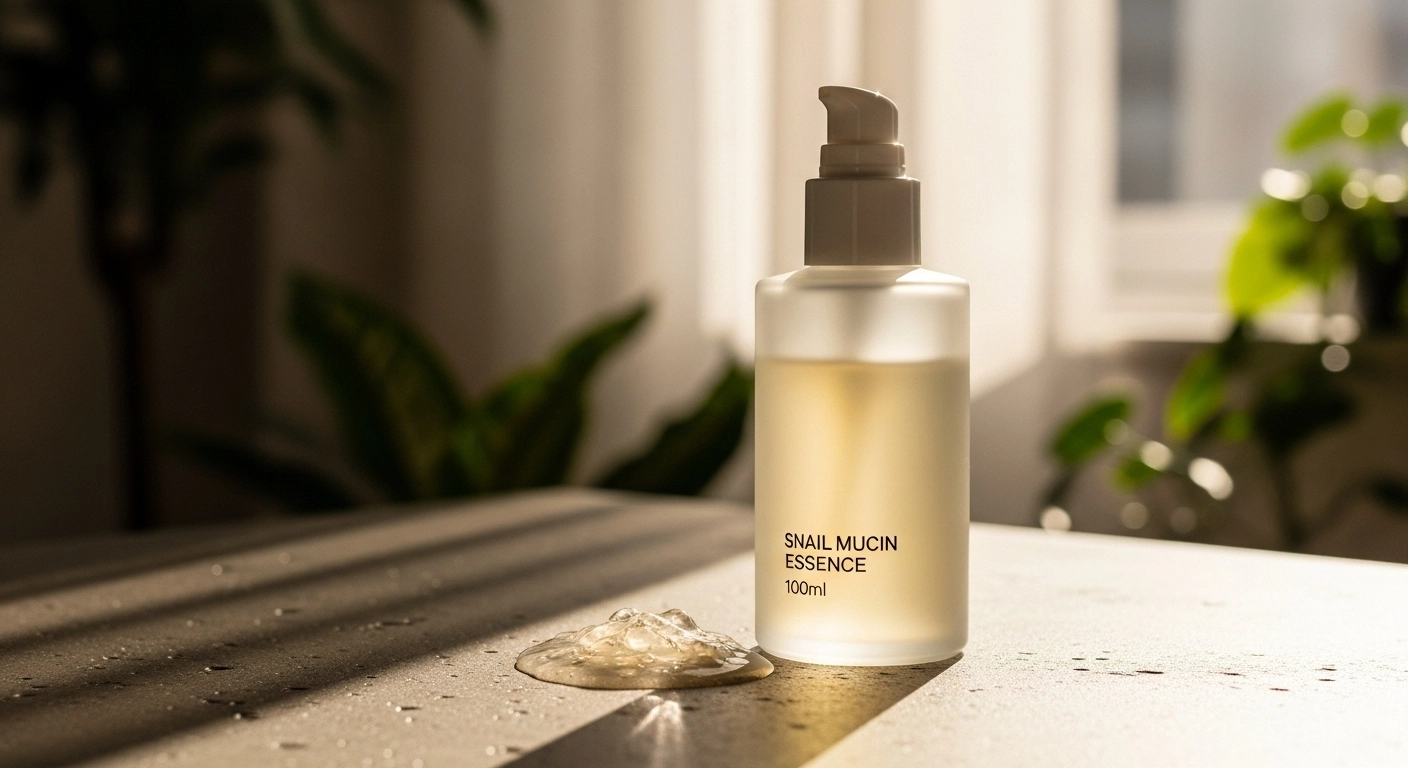
4. How PDRN and Snail Mucin Are Leading 2026 Trends
PDRN skincare and snail mucin improve skin health through different mechanisms, but 2026 has proven that their real power lies in synergy. PDRN focuses on “regeneration,” activating cellular repair pathways, while snail mucin concentrates on “hydration and protection,” strengthening the skin barrier. Together, they represent the two halves of the bio-regenerative approach that defines this year’s most effective skincare strategies.
The biggest product innovation of 2026 is the rise of hybrid formulations. Korean laboratories have successfully stabilized snail mucin alongside PDRN, creating “dual-action” serums that address multiple concerns—hydration, fine lines, and texture—in a single step. This aligns with the broader “intentional minimalism” movement: fewer products doing dramatically more, replacing the traditional 10-step Korean routine with 4-5 strategic steps using multi-active formulations.
Differentiation Points of Both Ingredients
1. PDRN works at the cellular level to provide long-term anti-aging effects, specializing in wrinkle improvement and elasticity enhancement through DNA repair pathways.
2. Snail mucin provides immediate moisturizing and skin-calming effects, optimized for daily skin condition management and barrier recovery.
3. PDRN, validated in medical procedures like the Rejuran Healer, builds a “medical-grade” image, increasing trust among ingredient-conscious consumers.
4. Snail mucin leverages over 15 years of usage history and millions of verified user reviews to emphasize “proven safety” and accessibility.
5. Both ingredients can be safely used on sensitive skin, making them ideal choices for consumers seeking irritation-free regenerative care—and their combination with exosome technology represents 2026’s most advanced “Essential Trio.”
Why Gen Z and Global Markets Pay Attention
Gen Z practices “ingredient-focused” consumption. They meticulously check ingredient lists before purchasing and demand scientific evidence and clinical data. PDRN and snail mucin perfectly meet these requirements—73% of skincare buyers now expect clinically-tested actives in their products, according to 2026 industry analysis.
On TikTok and Instagram, PDRN serums and snail mucin essences continue to go viral alongside hashtags like #bloomskin, #skincareroutine, and #kbeauty2026. The conversation has evolved beyond simple product recommendations to ingredient education, with consumers sharing detailed breakdowns of PDRN concentrations, snail mucin purity percentages, and optimal layering sequences. This shift reflects a maturing market where informed consumers drive product development.
The 2026 skincare landscape is also being shaped by the broader “skin longevity” movement, which is replacing traditional “anti-aging” language. Rather than fighting aging, the focus is on extending the period of healthy, resilient skin function—a philosophy that perfectly aligns with PDRN’s regenerative capabilities and snail mucin’s barrier-protective properties.
5. Application Tips for Global Users
For consumers new to PDRN skincare and snail mucin, here’s an updated product selection guide and practical usage routine for 2026. Proper product selection and application order are key to maximizing effectiveness.
Product Selection Guide
1. When selecting PDRN serum, check the PDRN content. Products containing 1% or more are effective; check if “Polydeoxyribonucleotide” or “PDRN” appears within the top 5 ingredients on the label. In 2026, also look for next-generation formats like PDRN toner pads and PDRN + Vitamin C synergy serums.
2. For snail mucin products, high-concentration essences with 96% or more snail mucin are the 2026 gold standard. Check the “Snail Secretion Filtrate” content and look for hybrid formulations that combine snail mucin with ginseng, PDRN, or Volufiline for enhanced multi-concern efficacy.
3. If you have sensitive skin, choose fragrance-free, alcohol-free, paraben-free products. Both ingredients have low irritation potential, but minimize reactions from additional components.
4. Before purchasing, check reviews and ratings. Products with 4.5+ stars and 1,000+ reviews have higher reliability. E-commerce platforms account for approximately 40% of global snail mucin sales.
5. Appropriate price ranges: PDRN serum 30ml at $30-$80, snail mucin essence 100ml at $15-$35. Vegan PDRN alternatives may be slightly higher.
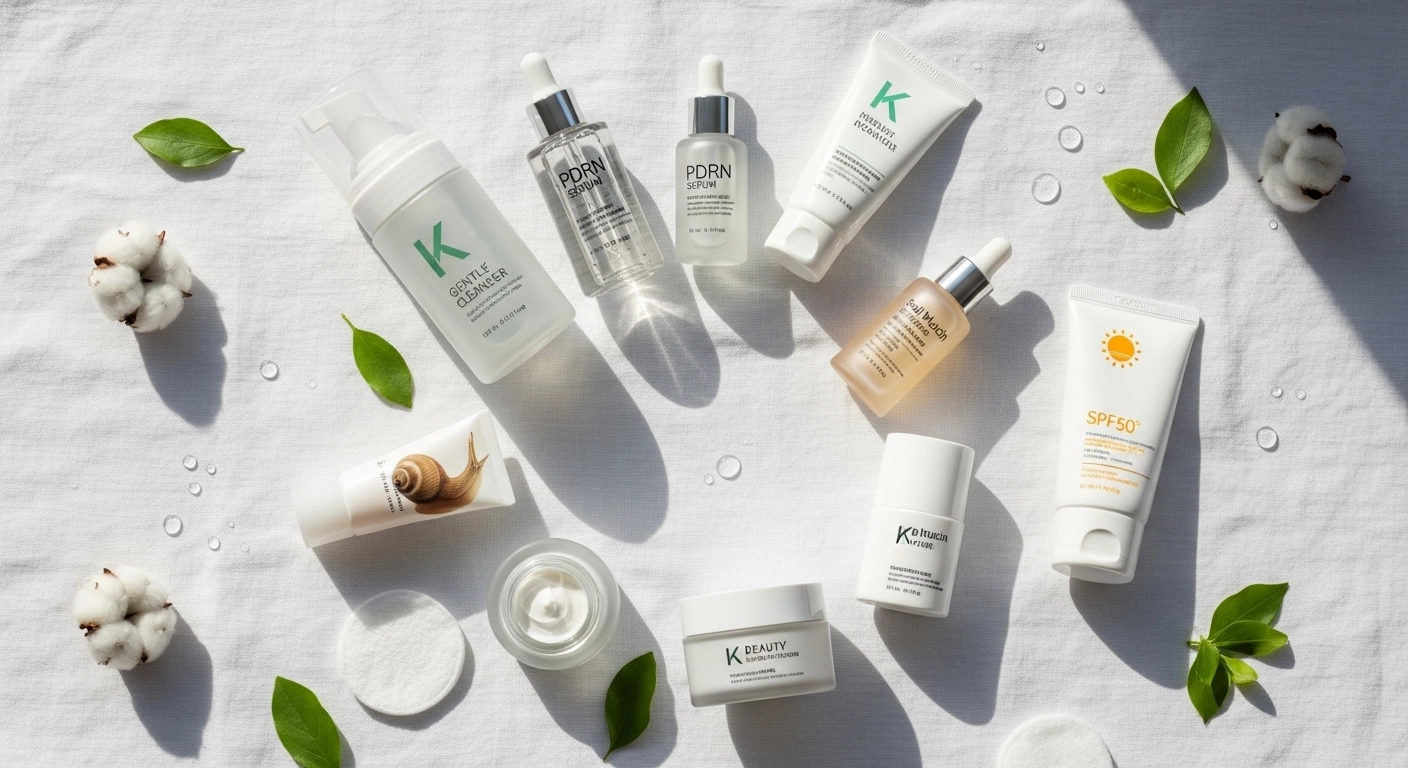
Routine Suggestions: Morning and Evening Skincare
Morning Routine (Protection and Hydration Focus)
1. Cleanser: Wash with a gentle pH-balanced cleanser.
2. Toner: Prepare skin texture with hydrating toner, or use PDRN toner pads for an extra regenerative boost.
3. Snail Mucin Essence: Apply 3-4 drops gently across the entire face for immediate moisturizing and calming effects.
4. Cream: Seal in moisture with a moisturizing cream.
5. Sunscreen: Apply SPF50 PA++++ or higher sunscreen as the final step (essential).
Evening Routine (Regeneration and Intensive Care Focus)
1. Double Cleansing: Oil cleanser followed by foam cleanser to completely remove makeup and impurities.
2. Toner: Use exfoliating toner or hydrating toner.
3. PDRN Serum: Apply 2-3 drops to face and neck, gently patting for absorption. Evening use is optimal for regenerative effects.
4. Snail Mucin Essence: Layer 3-4 additional drops over PDRN serum to create a moisturizing barrier.
5. Eye Cream: Apply dedicated eye cream for wrinkles and dark circles around the eyes.
6. Night Cream or Sleeping Mask: Finish with nourishing cream to support overnight skin regeneration.
Additional Tips
1. PDRN serum and snail mucin essence are safe to use together and actually create synergistic effects. In 2026, look for pre-combined hybrid formulations for a streamlined “intentional minimalist” routine.
2. Snail mucin acts as a perfect “buffer” alongside active ingredients like retinol and vitamin C—apply PDRN and snail mucin first for calming effects, then use other actives.
3. Effects typically begin appearing after 2-4 weeks, so consistent use is important. Full skin texture and elasticity improvements generally require 8-12 weeks.
6. Precautions and Ingredient Checkpoints
While PDRN skincare and snail mucin are safe for most skin types, caution is needed depending on individual skin conditions and allergies. Proper usage methods and ingredient checks are essential for preventing side effects and achieving optimal results.
Precautions for Sensitive Skin
1. Patch Test: Before using new products, apply a small amount on the inner arm or behind the ear and check for reactions for 24-48 hours.
2. Dust Mite Allergy Awareness: Individuals with dust mite allergies should exercise caution with snail mucin due to potential cross-reactivity—consult a dermatologist before use.
3. Avoid Excessive Use: The idea that “more is better” is a common misconception. Using more than the recommended amount can burden the skin.
4. Inflamed or Wounded Skin: Avoid use on open wounds or severe inflammation; use after dermatological consultation.
Ingredient Mixing Precautions and Brand Selection Tips
1. Mixing with Strong Acids: When using simultaneously with strong exfoliants like AHA or BHA, allow at least 30 minutes between applications or split between morning/evening.
2. Combining with Vitamin C: If using vitamin C serum, apply vitamin C in the morning and PDRN serum in the evening for maximum effectiveness. Alternatively, 2026’s new PDRN + Vitamin C combination serums handle this synergy for you.
3. Brand Reliability: Choose products certified by Korea’s MFDS (Ministry of Food and Drug Safety), or globally distributed products with FDA/CE certification. Look for brands that transparently disclose PDRN sourcing (salmon-derived vs. vegan/plant-ferment alternatives).
4. Check Ingredient List: Verify that “Polydeoxyribonucleotide” and “Snail Secretion Filtrate” are listed near the top. Lower listing may indicate lower content.
5. Check Expiration Date: Use within 6-12 months after opening; store in a cool place away from direct sunlight.
7. Frequently Asked Questions (FAQ)
Common Questions About PDRN Skincare and Snail Mucin
A1. Yes, they can be used together and it’s actually recommended. PDRN handles skin regeneration while snail mucin provides hydration and protection, creating synergistic effects. Apply PDRN serum first, wait for complete absorption, then layer snail mucin essence. In 2026, pre-combined hybrid formulations are also available for a streamlined routine.
A2. Moisturizing effects can be felt immediately, but regenerative and wrinkle improvement effects typically begin appearing after 2-4 weeks. Clinical data shows PDRN increases dermal density by 8.67% within 28 days. You’ll need consistent use for at least 8-12 weeks to experience full improvements in skin elasticity and texture.
A3. In most cases, yes. Both PDRN and snail mucin are known as low-irritation ingredients. However, always perform a patch test first. Choose fragrance-free, alcohol-free products. If you have dust mite allergies, consult a dermatologist before using snail mucin due to potential cross-reactivity.
A4. Suitable for all skin types, but especially effective for dry and aging skin, sensitive skin, and troubled skin. Oily skin can also benefit—choose lightweight formulations to avoid stickiness. PDRN is particularly recommended for post-procedure recovery and barrier-compromised skin.
A5. While PDRN and snail mucin are generally considered safe topical ingredients, if you’re pregnant or breastfeeding, always consult with your obstetrician before use. Suitability may vary depending on individual health conditions.
A6. Possible but requires caution. Snail mucin is an excellent “buffer” ingredient alongside retinol. Apply PDRN or snail mucin first, then apply retinol after complete absorption. Alternatively, using retinol only at night and PDRN/snail mucin morning and evening is also effective. Many users in 2026 are switching to PDRN as a gentler retinol alternative entirely.
A7. In 2026, plant-ferment and recombinant DNA-based PDRN formats have gained significant market share alongside traditional salmon-derived products. These vegan alternatives are produced through biotechnology and offer similar regenerative benefits while addressing consumer concerns about animal-derived ingredients and sustainability.
8. Related Reading
1. The Future of K-Beauty: AI Skincare, PDRN, and Hydrogel Mask Innovation
2. K-Face and Mirror Skin Trends—Global Beauty Innovation Guide
3. Natural Ingredient Beauty Treatments: Why the World Chooses Korea
4. K-pop Nail Art Trends: Complete Guide from Jelly Nails to DIY Tutorials
9. Reference Summary
The data and claims in this article are based on authoritative sources. PDRN’s regenerative effects have been validated through dermatology journals and clinical research, while snail mucin’s moisturizing efficacy has been confirmed in global market reports and consumer satisfaction surveys. The K-beauty export statistics reference official announcements from Korea’s Ministry of Food and Drug Safety (MFDS) and the Korea International Trade Association.
1. The Korea Herald — K-beauty Exports Cross $11B Milestone in 2025
2. Journal of Cosmetic Dermatology — Clinical Efficacy of PDRN in Skin Regeneration
3. International Journal of Molecular Sciences — Biological Activities of Snail Mucus
4. Mintel Beauty & Personal Care Report — Gen Z Beauty Consumption Trends
5. Grand View Research — Skin Boosters Market Size & Trends Report 2026-2033
6. Korea JoongAng Daily — Korea’s Cosmetics Exports Surpass Record $11 Billion
Additional Resources
YouTube Videos
1. PDRN Skincare Routine 2026 — YouTube Search Results
2. Snail Mucin Before & After — Real User Reviews
3. Korean Bloom Skin Routine — Step-by-Step Tutorial
TikTok & Instagram Hashtags
1. #PDRNserum — TikTok Trending
2. #snailmucin — Instagram (1.5B+ views)
3. #kbeauty2026 — TikTok Latest Trends
Reddit Communities
1. r/SkincareAddiction — K-Beauty Discussion
2. r/AsianBeauty — PDRN & Snail Mucin Reviews