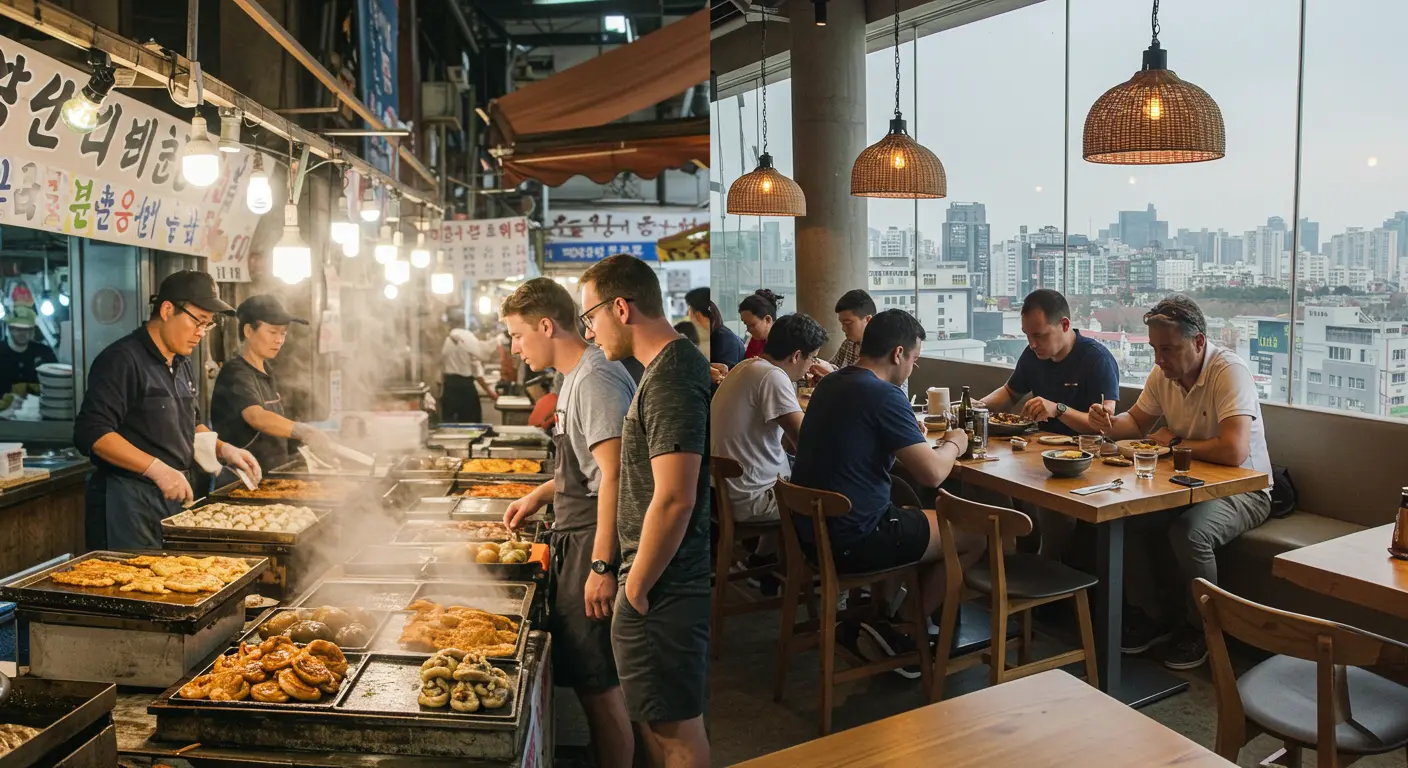
Bottom line: In 2026, Korean gourmet travel has cemented its place as the world’s most exciting food tourism destination. With over 10 million international visitors in the first half of the year alone and a government-backed K-Gastronomy Journey now in full swing, the era of “traveling well-fed” in Korea has never been more vibrant.
1. How Korean Gourmet Travel Became the #1 Trend
Korean gourmet travel has evolved from a rising trend into a full-blown global phenomenon. When the Korea Tourism Organization released its “S.P.E.C.T.R.U.M. 2025 Tourism Trends” report, gastronomy travel ranked first in likelihood of manifestation and third in business importance. That prediction has more than come true: according to the 2025 Survey of International Visitors, culinary tourism ranked as the top activity considered by prospective visitors to Korea at 61.7%, surpassing even shopping.
The numbers in 2026 tell a staggering story. Korea welcomed over 10.7 million international visitors in the first half of 2026 alone — a 21.3% increase year-over-year — and food is the number one reason they keep coming. Agoda’s 2026 Travel Outlook Report confirmed that 34% of South Korean travelers cite food as one of their top reasons for traveling, exceeding the Asian average of 31%.
Record-breaking arrivals: Korea recorded 4.76 million foreign tourists in Q1 2026, the strongest first quarter ever, with a 23% year-over-year jump
Gen Z driving demand: All-inclusive and culinary travel remain central to Gen Z’s 2026 travel plans, with food festivals, hotel dining, and cooking classes leading their wish lists
Global recognition: The Michelin Guide Seoul & Busan 2026 celebrated its 10th anniversary with a record 233 restaurants, including 46 starred establishments
2. The New Paradigm of Food-Centric Travel
Food-centric travel in Korea is no longer just about eating great food — it’s about immersing yourself in a region’s culture, history, and identity through what’s on the plate. In 2026, the concept of “traveling well-fed” has shifted from a trend to a lifestyle, with travelers choosing their entire itinerary based on culinary experiences rather than traditional sightseeing.
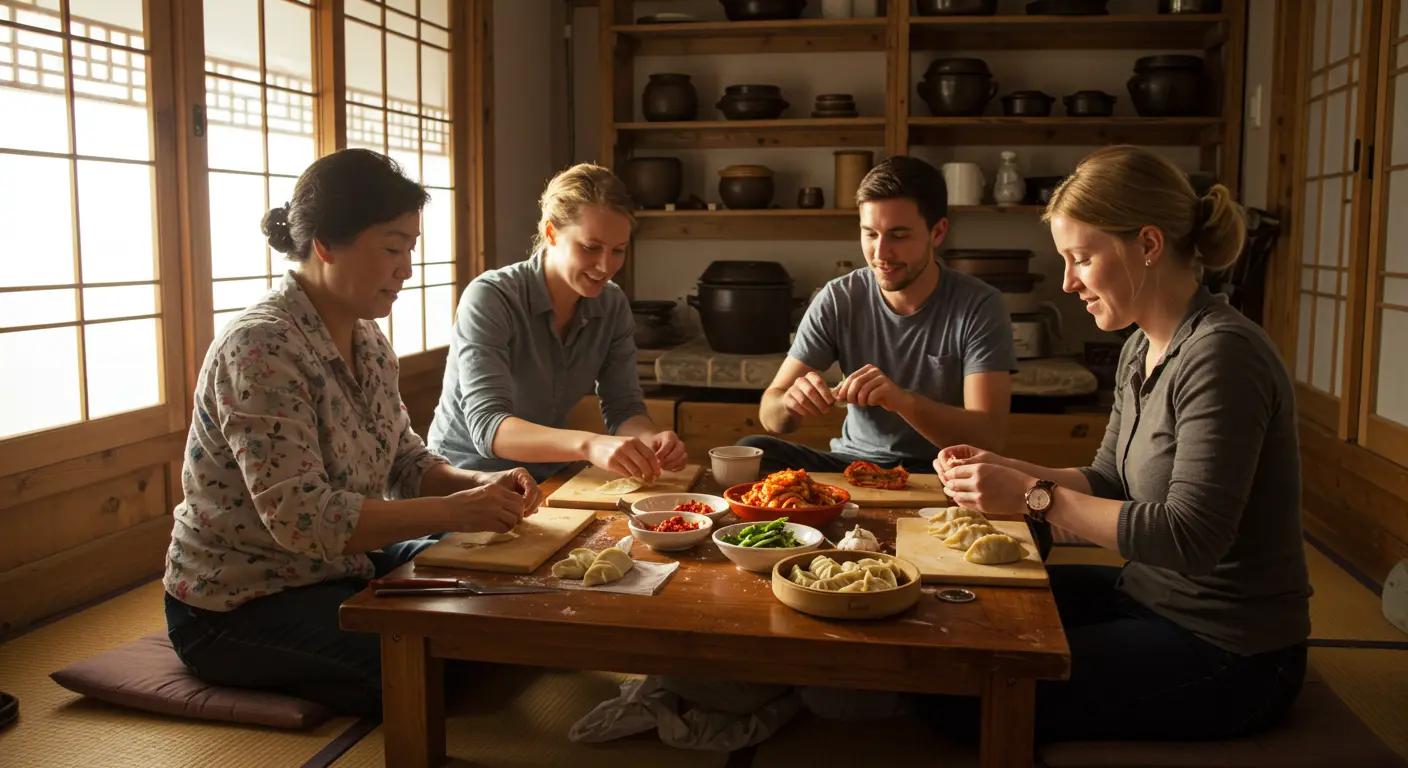
1. Travel with a chef: Customized food trips with celebrity chefs continue to surge, with travelers booking private culinary itineraries across Korea’s provinces
2. Local food immersion: Programs where visitors make their own regional dishes — from Jeonju bibimbap to Jeju black pork BBQ — have become the fastest-growing experience category
3. Storytelling through food: Tours now weave local history and cultural narratives into every meal, turning dinner into an unforgettable journey through Korea’s heritage
3. Hotel Gourmet Travel and Michelin Dining in Seoul
Hotel gourmet travel has exploded in Korea. The original Hotels.com “Unpack 25” report that identified hotel culinary travel as a key keyword has been validated by reality: global search volume for hotels with restaurants increased by 70% year-over-year, and 78% of Korean respondents said they would book a hotel specifically for a standout dining experience.
The Michelin Guide Seoul & Busan 2026 — celebrating its landmark 10th anniversary — awarded a record number of new and promoted stars. The 2026 edition features 233 restaurants total (178 in Seoul, 55 in Busan), with 46 Michelin-starred establishments including one three-star (Mingles), ten two-star, and 31 one-star restaurants in Seoul alone. The guide also recognized 71 Bib Gourmand listings, making Seoul one of Asia’s most dynamic fine dining destinations.
Mingles leads the way: Chef Kang Mingoo’s Cheongdam-dong restaurant retains its three Michelin stars for the second consecutive year, earning recognition as the pinnacle of modern Korean gastronomy
Hotel brunch culture: Premium hotel brunch bookings continue to surge, with properties like The Shilla Seoul (home to two-star La Yeon) offering some of the most sought-after tables in Asia
Signature menus: Major hotel chains are competing fiercely to develop original signature dishes, blending traditional Korean ingredients with global culinary techniques
4. Regional Food Tours and the K-Gastronomy Journey
The biggest shift in Korean gourmet travel for 2026 is the move beyond Seoul. In June 2026, the Ministry of Agriculture, Food and Rural Affairs launched the K-Gastronomy Journey, a major government-backed initiative designed to turn Korea’s regional food culture into a global travel asset. The first phase — the “K-Chicken Belt Platform” — showcases 30 curated chicken cuisine hotspots selected from over 2,700 public submissions, all linked with local tourist attractions on an interactive map.
Simultaneously, the Korea Tourism Organization invited 33 prominent food and travel influencers from 13 countries for the “K-Local Food Hunters 33” program, a multiday culinary expedition designed to spotlight hidden regional gems far beyond Seoul’s barbecue joints.
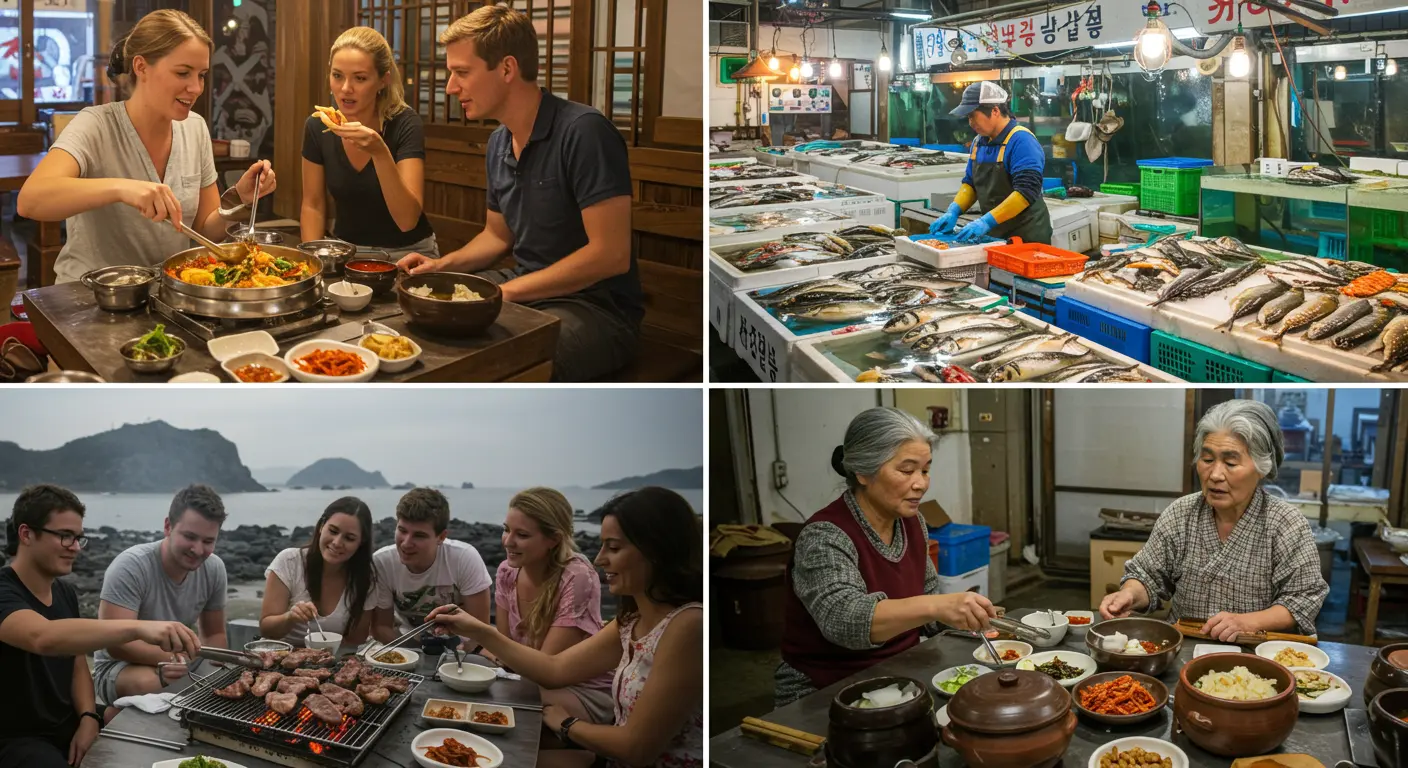
Jeonju Hanok Village: As a UNESCO City of Gastronomy, Jeonju offers world-class bibimbap (비빔밥) and traditional liquor tasting programs, alongside modern fusion street food experiences
Jagalchi Market in Busan: Visitors can select their own live seafood and have it prepared on the spot — a hands-on cooking experience that’s become one of Korea’s most Instagram-worthy food moments
Jeju Island: Fusion cooking classes featuring Jeju’s famous black pork (흑돼지, heukdwaeji) and hallabong citrus have made the island a must-visit for culinary travelers
Andong: Traditional fermented food experiences, including aged soy sauce and Jongga (종가, heritage family) cooking programs, offer a rare window into Korea’s deepest culinary traditions
KORAIL culinary platforms: In a creative 2026 initiative, Korail Tourism Development is transforming major train stations into regional food showcases, bringing provincial culinary heritage directly to travelers on the rail network
5. K-Food Globalization and Wellness Travel
With K-Culture’s global expansion showing no signs of slowing, K-Food has become a central pillar of wellness travel worldwide. Korea’s centuries-old fermented foods — kimchi, doenjang (된장, soybean paste), and gochujang (고추장, chili paste) — are now recognized as “functional gastronomy,” prized for their probiotic benefits in an era when gut health is considered the ultimate wellness priority.
1. Wellness convergence: Korean cuisine’s emphasis on balanced, vegetable-forward meals and fermented ingredients aligns perfectly with the global longevity and “slow aging” movement
2. Templestay programs: Temple food experiences combined with meditation continue to expand, offering visitors a deeply spiritual and culinary reset — popular temples like Jogyesa in Seoul and Bulguksa in Gyeongju welcome international guests year-round
3. Fermented food tours: Hands-on experiences making traditional fermented foods — including kimchi, doenjang, and cheonggukjang (청국장, fast-fermented soybean paste) — have become a signature K-Food tourism product
6. Korean Gourmet Travel Outlook and Opportunities in 2026
The global wellness tourism market reached approximately $1.06 trillion in 2026, according to multiple industry reports, growing at a compound annual growth rate of 9–10%. Korean gourmet travel sits at the sweet spot of this megatrend, combining culinary excellence with wellness, cultural immersion, and cutting-edge technology.
Korea’s government has set an ambitious target of 23 million inbound visitors for 2026, with a longer-horizon goal of 30 million by 2029. With the first half of 2026 already surpassing 10.7 million arrivals, the food tourism engine is firing on all cylinders.

AI-powered food planning: AI-driven foodie travel planners are proliferating, offering hyper-personalized restaurant recommendations based on dietary preferences, budget, and real-time availability
Major food events ahead: The second half of 2026 features a packed calendar — Hansik Festa at the National Museum of Korea (October 23–25), Food Week Korea at COEX (November 4–7), and the K-Sool Festival for traditional liquors (November 13–15)
Regional diversification: New direct air routes to secondary airports like Cheongju and Daegu have boosted international arrivals to regional destinations by over 40%, opening entirely new culinary corridors
7. Frequently Asked Questions (FAQ)
Q1. What exactly is “food-centric travel” in Korea?
Food-centric travel is a travel philosophy that goes beyond simply eating at restaurants. It means experiencing a region’s culture, history, and identity through its cuisine — from hands-on cooking classes and market tours to chef-led food expeditions and fermented food workshops. In Korea, this has become the primary reason international visitors choose the country as their destination.
Q2. What makes hotel gourmet travel in Korea special?
Korea’s hotel dining scene has reached world-class status, with the 2026 Michelin Guide featuring 46 starred restaurants across Seoul and Busan — many housed inside luxury hotels. Properties like The Shilla Seoul (home to two-star La Yeon) and Grand Hyatt Jeju offer complete food-and-stay packages that combine accommodation with Michelin-level dining, chef’s table experiences, and signature tasting menus.
Q3. What are the best regional food tour destinations in Korea?
Jeonju is a UNESCO City of Gastronomy famous for bibimbap and traditional liquor. Busan’s Jagalchi Market offers unforgettable live seafood experiences. Jeju Island is known for black pork BBQ and citrus-infused cuisine. Andong provides rare access to traditional Jongga fermented food heritage. The new K-Gastronomy Journey platform also highlights 30 curated chicken cuisine hotspots nationwide.
Q4. What Korean food experiences are most popular with international visitors?
Kimchi-making classes, Korean cooking courses, traditional market walking tours, and temple food experiences consistently top the list. In 2026, hands-on programs where visitors actively participate in cooking have surged in popularity, along with experiences that photograph well for social media — think sizzling samgyeopsal (삼겹살, pork belly) grills and colorful bibimbap bowls assembled tableside.
Q5. What major food events are happening in Korea in the second half of 2026?
The K-Gastronomy Journey runs from July through December, featuring the K-Chicken Belt platform, rural healing stays, and brewery tours. Major events include Hansik Festa at the National Museum of Korea (October 23–25), Food Week Korea at COEX (November 4–7), the K-Sool Festival for traditional liquors (November 13–15), and the Kimchi Festival (November 20).
8. Related Reading
Jeju Island Healing Trip: 4-Day Wellness Guide 2026
9. References
1. Korea Tourism Organization. “2025 Tourism Trend S.P.E.C.T.R.U.M.: Gastronomy travel tops the list.”
https://knto.or.kr/pressRelease/549005
2. Hotels.com. “The ‘Unpack 25’ Travel Trends for 2025: The rise of hotel gourmet travel.”
The Korea Economic Daily (October 18, 2024)
3. Trip.com. “Travel Trends for 2025: Gastronomy will determine travel itineraries.”
Travel Times (February 19, 2025)
4. Korea.net. “K-Gastronomy Journey offers nationwide tour of diverse cuisine.” (June 30, 2026)
Korea.net Official
5. The Korea Times. “Global influencers fan out across Korea to spotlight hidden culinary gems.” (June 30, 2026)
The Korea Times
6. The Korea Times. “Korea’s tourism boom surpasses prepandemic heights.” (July 23, 2026)
The Korea Times
7. Michelin Guide. “The MICHELIN Guide Seoul & Busan 2026: Record Number of New and Promoted Stars.” (March 16, 2026)
Michelin Guide